
 1-866-438-5442
 Heating & Cooling
 Water & Air Quality
 Home Security
 Commercial Solutions
 PROUDLY CANADIAN
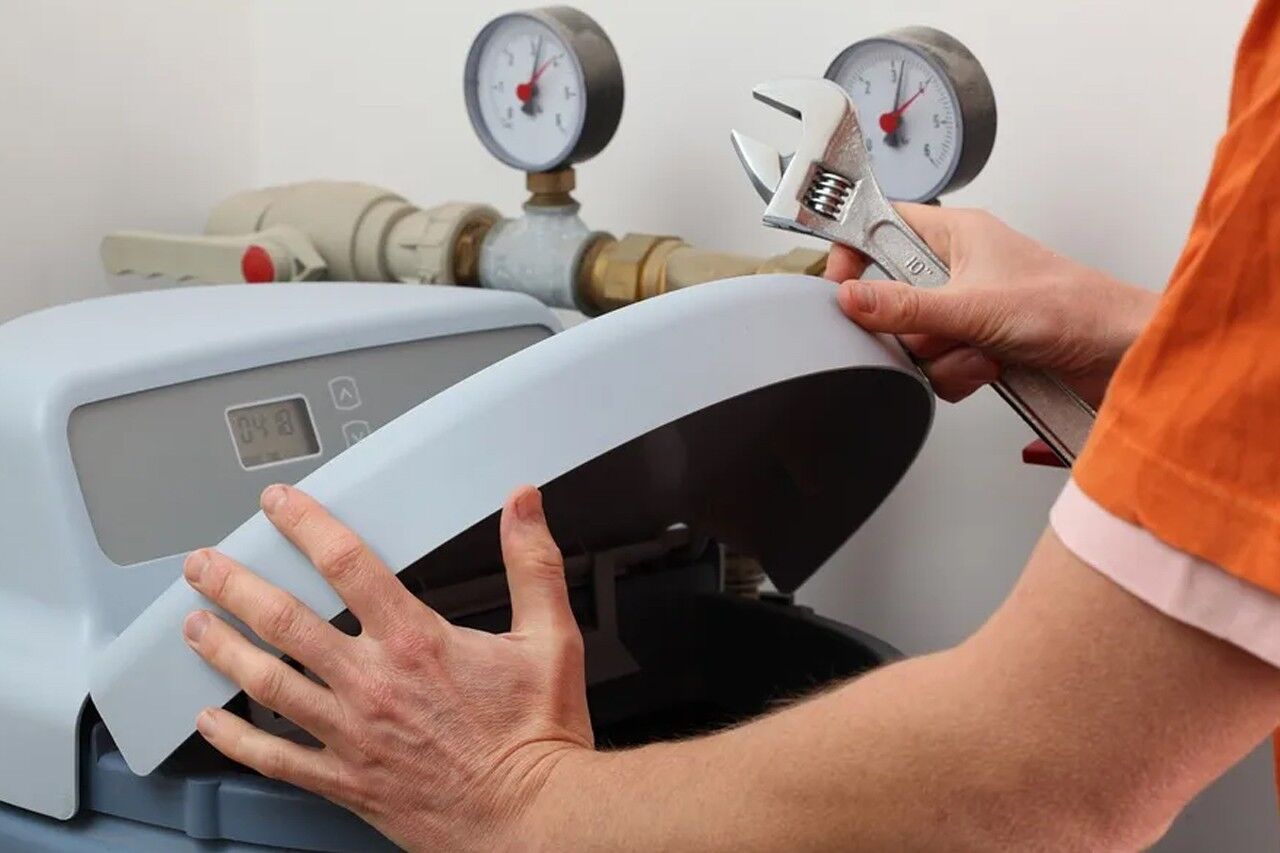

Table of Contents

Water softeners remove minerals like calcium, magnesium, iron, and other organic compounds from hard water. This process is called ion exchange. Hard water is a common concern for many homeowners because it can cause problems, such as clogged pipes, spotted glasses and dishes, and appliance scale buildup. To prevent these issues and ensure the water softening process of your unit is efficient, you must perform regular maintenance on your home’s system.
This blog post talks about the most common issues in these units, easy DIY water softener repair advice, and some practical maintenance tips to extend the lifespan of your equipment.
How Long Do Water Softeners Last?
On average, the lifespan of water softeners can last up to 12 years, but they can last up to 20 years with proper care. This also depends on the brand you buy and the type of water you are using. Generally, salt-based softeners last longer than non-salt models.
Salt-free systems require frequent maintenance to keep functioning at their best, while salt-based systems usually require less maintenance but may need repairs more often.
Evaporated salt pellets are the best choice for your softener system as they help reduce the hard water minerals and make the entire system more efficient. It’s important to remember that you should not run out of salt, as this could cause damage to your equipment. Rock salt is also a common choice, but it tends to be messier and harder to manage.
Solar salt is another option, and it’s often the least expensive. Lastly, potassium chloride is a synthetic alternative to traditional salt that’s becoming increasingly popular due to its environmental benefits.
Common Water Softeners Problems and Troubleshooting
As a homeowner, you must watch out for potential problems and be knowledgeable about basic water softener troubleshooting. Common issues that can arise with water softeners include:
- Clogged FiltersClogged filters will reduce your system’s effectiveness and lead to unwanted mineral buildup in your home’s pipes. It is often caused by debris buildup in the system. Here’s a simple step-by-step guide to fix this issue:
- Shut off the power supply to your water softener and disconnect it from the mains.
- Remove the filter housing using a wrench if necessary.
- Take out the sediment filter and inspect it for buildup or blockages.
- If you find any debris, rinse it with warm water.
- Reattach the filter housing and turn on the power supply to your water softener again. This should restore the normal function of your system.
- Salt BridgesIn some cases, salt can become clumped in your tank, leading to a phenomenon known as a salt bridge. This usually occurs when the water level is too low or if there’s moisture in your tank. To resolve this issue, you should increase the water level and add more salt until the bridge has dissolved.
- Resin Beads IssuesResin beads are responsible for trapping the minerals removed from your water supply. If your unit isn’t working properly, it could be due to defunct resin beads. While they may last 10 to 15 years, these beads gradually wear out over time and must be replaced for the unit to function correctly.
To check if the beads need to be replaced, buy a hardness test kit from your local hardware store and check for mineral content. If the results are unsatisfactory, it’s time to replace the resin beads in your system. Sometimes you know you need to replace your beads when your resin tank stops producing soft water or runs out of soft water quickly.
- Excessive Water in the Brine TankAlthough water is always present in the water softener brine tank as it has to dissolve the salts to form a brine solution, an excessive amount can indicate a problem. A leaky valve, a worn-out brine pick-up tube, or clogged flow control fittings could cause this.
To resolve this issue:
- Check the water level and inspect the parts for any damage or blockages. Replace them if necessary.
- Check the float valve if it’s set too high, as this can affect the water level. Follow the unit manual guidelines.
- If your water softener is more than eight years old, consider replacing it with a more efficient model.
- Inspect the brine tank for cracks or buildup and replace it if needed.
- Insufficient Water in the Brine TankIf there’s too little water in the brine tank, the water softener regeneration cycle will be interrupted, and the system won’t be able to produce soft water. A clogged drain line, inadequate salt dosage, or low water level are common causes.
To fix this issue:
- Check the drain line for blockages and clean it if needed to allow proper water flow.
- Ensure the brine float switch moves freely and clean it if stuck.
- Add more salt into the brine tank until it reaches the fill mark in the manual.
- Adjust the water level in the brine tank according to manufacturer guidelines.
- NoisesWhile water softeners normally make some operational noise, excessive noise can indicate a problem such as worn-out parts or incorrect settings.
To resolve this problem:
- Check valves and components for wear and tear.
- Ensure all connections are tight and free of air bubbles.
- Replace any worn-out parts if necessary.
- Set the timer according to the recommended cycle length in the manual.
- Clean and lubricate the motor if applicable.
Top Water Softener Maintenance Advice
To maintain your unit’s efficiency and avoid damage, there are some maintenance measures you can take:
- Perform salt levels checks at least every 2 to 3 months, and add more when needed.
- Clean the brine tank often to remove any sludge or dirt buildup. When cleaning water softeners, make sure to use an approved water softener cleaner safe for the system.
- Change resin beads and replace them with new ones once they wear out.
- Check for leaks in the valves and connections, as leakage can cause damage to your system.
- Replace worn-out parts’ seals to ensure they’re tightly sealed and secure.
- Call a qualified technician for water softener service at least once every year for optimum performance.
Final Thoughts
Water softeners are essential for providing you with clean and soft water. However, you must know how to use water softener properly and carry out regular maintenance to extend its lifespan and ensure optimal performance. Follow the tips mentioned above to keep your water softener in tip-top condition and enjoy its benefits for many years.

Don't miss our latest guides and updates.
Add LG Home Comfort as a Preferred Source on Google.


Table of Contents
Show More

Related Articles
Search Articles