

 1-866-438-5442


 Heating & Cooling
 Water & Air Quality
 Home Security
 Commercial Solutions
 PROUDLY CANADIAN

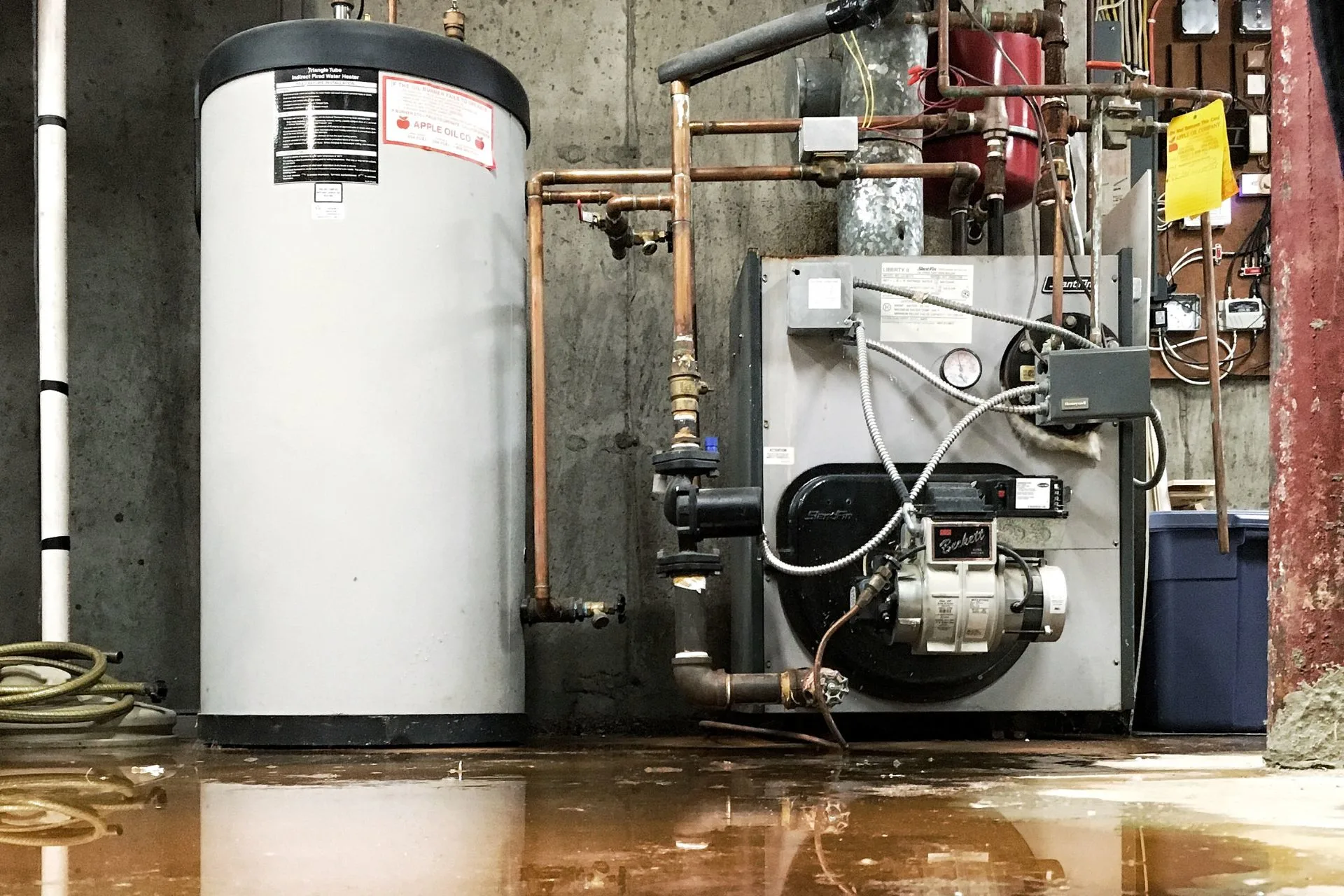

Table of Contents

When a furnace leaks water, it can be a sign of a serious problem that needs a prompt solution. Moisture from the leakage can damage your home if left unchecked. Plus, if the water isn’t draining properly, it can lead to your furnace running inefficiently, leading to more costly repairs in the future.
To prevent a leaking furnace, homeowners need to identify the possible causes. This blog post focuses on the different reasons behind furnace leaks and how to address and prevent them. Keep reading to learn solutions for water leaking from furnaces and who to call for prompt furnace repairs in Southern Ontario.
What Type of Furnace Do I Have?
Before answering the question, “why is my furnace leaking water?” you should first determine which type of furnace you have, as this is a factor contributing to this issue.
There are two main types:
- High-efficiency Furnace (Condensing): These newer furnaces condense water vapor produced during combustion and quickly vent out the exhaust or flue pipe. They’re typically gas-powered, but can also operate on electricity. However, it’s more expensive and less common.
- Standard Efficiency (Conventional): These are older furnaces that don’t condense water vapour and release it through the exhaust vent. Since they don’t collect any water, they typically aren’t prone to leaking.
If unsure which furnace type you have, look at its vent or exhaust pipe. If the pipe is made of white plastic, it’s a high-efficiency system. Another way to tell is that if your furnace’s annual fuel utilization efficiency (AFUE) rating is at least 90%, it’s also a high-efficiency furnace.
On the other hand, if the exhaust pipe is metal, the AFUE rating is below 90%, and the furnace is 15 years or older, then it’s a standard efficiency furnace.
Is It Normal if My Furnace Is Leaking Water?
Water leaking from furnace units isn’t normal. While this is a common problem homeowners encounter, especially for high-efficiency furnaces, you should fix it as soon as possible. As mentioned, it can cause further damage if not dealt with immediately, not only to the unit itself, but also to other parts of your home.
For instance, water coming from furnace leaks may cause mould growth near parts of your home that aren’t well-ventilated, such as the ceiling and walls. This can lead to health problems for you and your family, as well as structural damage to your home.
Moreover, furnace water leaks negatively alter the energy efficiency of your HVAC system. Proper furnace installation, scheduling routine maintenance, and prompt repairs can help you avoid furnace problems altogether.
 Image source Shutterstock
What Would Cause a Furnace to Leak Water?
There are different types of furnace units and there could be many reasons for water coming from furnace leaks. Here are some common causes of water leaking from furnace units.
Condensation Issues
A condensation leak is a common furnace issue where warm, humid air meets cold metal, creating condensation. Condensation forms a pool of water near the furnace, usually draining through a condensate line. Below are some possible causes of this issue.
Damaged or Clogged Tubing
A backed-up or clogged drain hose is one of the top reasons behind a leaking furnace. Without maintenance or regular cleaning, this external hose can get clogged with debris and dirt.
To fix a clogged drain hose, follow these steps:
- Check the clog or damage by inspecting the drain pan and the furnace drain line outside. It might just be a minor block you can fix.
- Turn off the furnace switch and clear the blockage. If it’s near the surface, use your finger, wire, or hanger to remove it.
- Use a drain brush or snake if it’s in the middle of the line. A brush can also scrub the pan to remove any residue.
- If that doesn’t work, use a wet or dry vacuum to remove debris. Attach the hose to the clogged drain line and seal it with duct tape if needed.
- Turn on the vacuum and let it work. For tougher clogs, use a drain gun to blast compressed gas into the line and clear the blockage.
If these all fail, you may need to replace the condensate line or have a professional inspect and repair it.
Floor Drain Clog
The floor drain is where the condensate line enters the floor. If it clogs, water can back up and spill out. Cleaning or replacing the drain can resolve this. Follow these steps to fix a clogged floor drain:
- Remove the drain cover and scoop out any debris you can reach.
- Use a plunger to clear the clog, then flush with hot water to remove the gunk.
- Pour a mix of vinegar and baking soda, then flush with hot water after 15 minutes. Avoid harsh chemicals, as they can damage the drain.
Broken Condensate Pump
The condensate pump pushes water away from the furnace, but if it fails, water will collect near or under the unit. Replace the faulty pump quickly by following your manual’s instructions. If you’re unsure, hire an HVAC professional. Condensation only happens in high-efficiency furnaces, so standard efficiency units won’t have condensate pump leaks.
Clogged Condensate Trap
The condensate drain trap removes condensation from the furnace exhaust. Most of the condensation occurs when exhaust gases are cooling down in the heat exchanger. If enough water collects in the furnace from a blocked drain tap, you’ll see it on your basement floor. Since declogging requires removing and reinstalling drain traps, most homeowners hire a professional HVAC technician.
Broken Humidifier
Water leaking from furnace units may also come from the inside of your unit, specifically the humidifier. A leaking humidifier can cause water to go back into your furnace and drip from the bottom. This can damage your walls, ceilings, and floors.
To prevent a humidifier leak, regularly inspect the unit’s water lines for any signs of cracks or damage. It’s also a good idea to install a shut-off valve to easily stop water from entering the humidifier when it’s not in use.
Not all furnaces have humidifiers, so this isn’t an issue if your system doesn’t have one. In addition, this is less likely to happen if you maintain a regular professional checkup.
Malfunctioning Secondary Heat Exchanger
A high-efficiency condensing furnace has two heat exchangers: the primary and secondary heat exchangers. The second heat exchanger is a metal tube surrounding the primary one that carries combustion exhaust out of your home through a vent.
Damage to this component can cause a furnace water leak, often from corrosion or a cracked heat exchanger, both requiring professional repair.
To find out if a cracked heat exchanger is causing the problem, check the vents and ensure they’re not blocked by dust or debris. If they seem clogged, here’s a step-by-step guide on how to unclog them:
- Turn off the furnace switch and the gas or propane by shutting off the valve.
- Use a wire brush to remove debris and loosen black soot or scale from the heat exchanger block. If you don’t have a wire brush, use a damp cloth with a cleaner for gas furnaces or metal surfaces to tackle stubborn dirt.
- Vacuum the block assembly with a strong hot vac. Then, use a narrow vacuum attachment to remove loosened debris and any remaining residue.
- Reassemble everything, turn on the power and gas or propane and check if the problem has been fixed. Otherwise, you may need to replace the entire heat exchanger with a new one.
Ill-Fitted Exhaust Pipe
This is usually a problem in a conventional furnace. If the metal exhaust pipe is ill-fitted, it can cause water to drip from the furnace. When the stove is running, the hot combustion exhaust in the pipe condenses and forms a liquid that leaks out from any gaps or cracks.
To prevent leaks due to an ill-fitted exhaust pipe, ensure all connections are tight and secure. If there are any holes or cracks, use metal tape to seal them up. You may also need to replace your old exhaust pipe with a new one if it’s too damaged to repair or go with a PVC exhaust pipe.
After fixing all potential leakages, inspect the area regularly to see if there’s still water coming from the furnace. This helps detect any issues early on before they cause more damage. It also saves time and money in the long run, as repairing damages caused by water leakage can be expensive.
 Image source: Shutterstock
Clogged Furnace Filter
A clogged furnace filter is one of the most common reasons for water dripping from furnaces. This happens when the filter becomes so full of dirt and debris that it can’t trap any more particles, allowing them to escape into your furnace coil.
To prevent this, replace or clean your filter regularly, according to the manufacturer’s instructions. Depending on your filter type, you may have to clean it every month or two months. If all else fails and you still deal with water dripping in the furnace, contact a professional HVAC technician.
Leave Leaking Furnace Repairs to Experts You Can Trust
Various factors can cause a furnace leak. If you detect any signs of water dripping from the furnace, don’t wait for it to get worse, as this can cause damage to your walls, ceilings, and floors. Consider the steps above in identifying and fixing the problem to help you save time and money.
If you need professional help repairing a leaking furnace, choose a qualified and experienced technician who can accurately diagnose and address the problem quickly and efficiently. Our HVAC professionals at LG Home Comfort offer expert services for your furnace, including:
- Checking all electrical components
- Opening blocked drains
- Performing furnace 24-point service and testing
- Conducting system inspection and cleaning
- Running carbon monoxide detection tests
- Ensuring proper furnace maintenance
Through our reliable services, we ensure homeowners can enjoy improved energy efficiency, lowered energy bills, and increased home safety.
Have you got your furnace inspected yet? Contact us to get a free quote today!
Frequently Asked Questions
01 Why is my furnace leaking water when the heat is on?
Your furnace can leak water when the heat is on due to a clogged condensate drain line, a blocked drain pan, a dirty air filter, a frozen evaporator coil, or other plumbing-related issues.
02 Why is my furnace leaking water when the AC is on?
A clogged condensate drain is often the main cause of this problem. In some cases, the water may actually be coming from your air conditioner, which is typically installed above the furnace, and running down onto the furnace unit.
03 Why is my furnace leaking water in summer?
If your furnace is leaking water during the summer, the most common cause is a blocked drain line connected to your air conditioning system. Other potential causes include a malfunctioning condensate pump, frozen evaporator coils, or excessive condensation buildup.

Don't miss our latest guides and updates.
Add LG Home Comfort as a Preferred Source on Google.


Table of Contents
Show More

Related Articles

Search Articles