
 PROUDLY CANADIAN
Share This Article

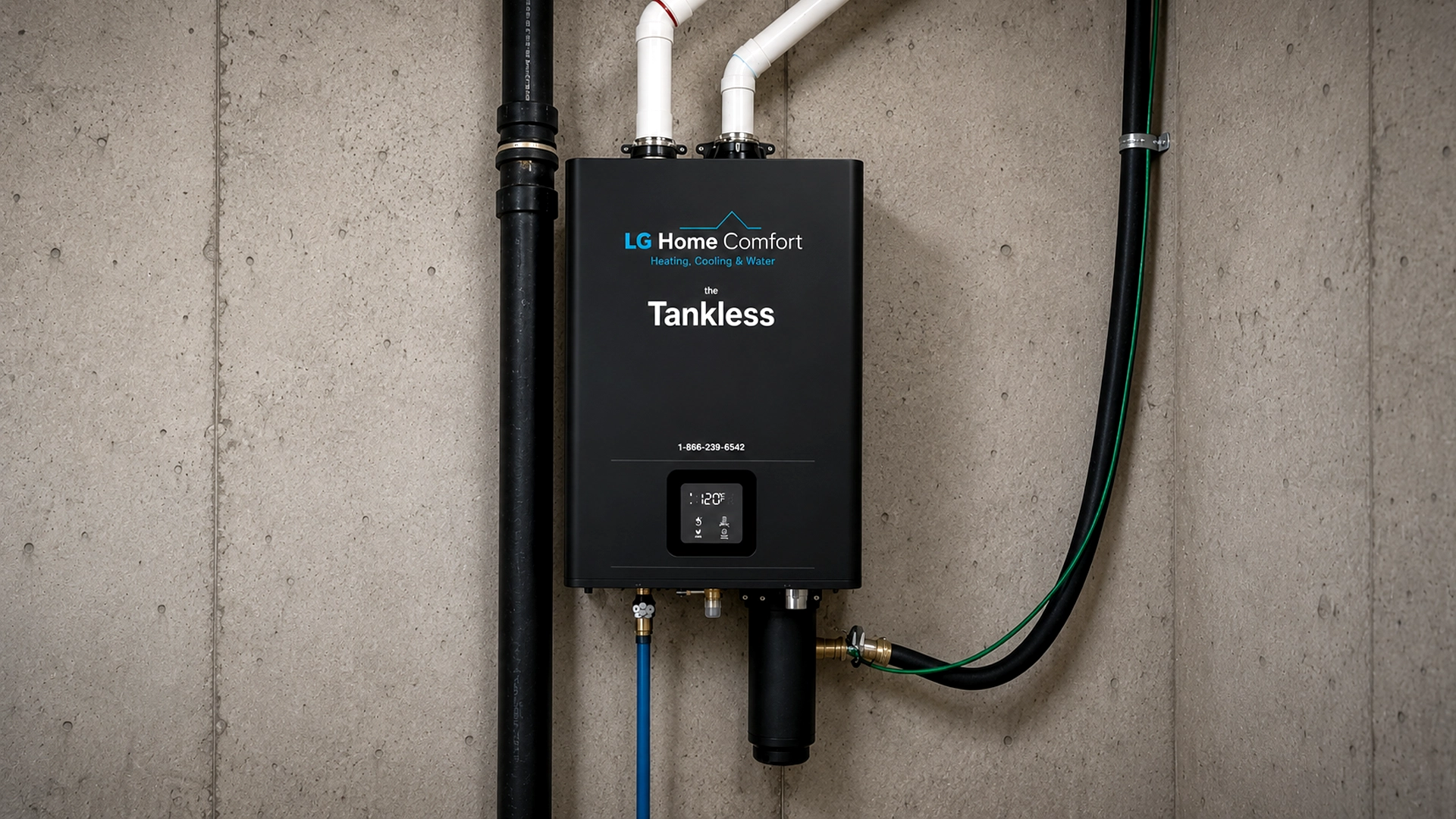

Table of Contents

Is it time to buy a water heater? You may wonder why selecting the right water heater is such a crucial decision, but the answer is simple—hot water is a fundamental necessity in our daily lives.
Whether it’s a warm shower, clean dishes, or hydronic heating during those cold Canadian winters, a reliable and efficient water heater is the heart of household comfort.
Buying a water heater is investing in your family’s health and safety. Over the course of this water heater buying guide, you’ll learn about the fundamentals of a water heater, sizing considerations, the intricacies of energy efficiency, long-term cost analysis, and installation and maintenance tips from experts in the industry.
Get peace of mind from making the right choice; here’s what to know when buying a water heater.
Water heaters are appliances responsible for heating and storing tempered water for future use. These devices use energy sources like electricity and natural gas to raise water temperatures before the water flows out of standard home fixtures.
Water heaters vary based on their composition and functionality:
A tankless water heater heats water as its needed, providing a constant supply of hot water on demand without the need for a storage tank. They are energy efficient and space-saving, as they only operate when hot water is required, however, their capacity may be limited for larger households with high demand.
Installation can be more complex, which is why hiring a professional to install a tankless water heater is highly recommended.
💡 Read more: How Does a Tankless Water Heater Work?
These use electricity to transfer heat from the air or ground to heat water. They are generally more energy efficient compared to traditional electric water heaters. They work well in moderate climates, but may be less efficient in extreme conditions. Initial costs are higher, but they can result in significant long-term evergy savings.
This type of water heater uses solar energy to heat water. They are eco-friendly and cost-effective over time, reducing energy bills and environmental impact. However, homeowners may require backup systems in areas with inconsistent sunshine.
Storage tank water heaters store and continuously heat a specific volume of water in an insulated tank. The are commonly powered by natural gas, propane, or electricity to heat water, which is ready for use when needed.
They are cost-effective and widely used, however, they can be less energy efficient as they maintain a constant temperature, leading to standby heat loss. Newer models have improved insulation to reduce heat loss, but you can mitigate this issue by carefully choosing the correct tank size for your household’s hot water needs.
These small water heaters are installed near a point where hot water is needed. When you buy a water heater like this, it often supplements a larger, central water heating system or for specific applications (such as under-sink water heaters).
Combination boiler systems are often used for radiant heating and can provide hot water for domestic use as well. They are highly efficient and work well in cold climates, however, they are more complex and can be costly to install, making them suitable for specific applications.
Get a Water Heater Installation Quote
Before buying a water heater, a thorough understanding of your household’s hot water requirements needs to be determined. This involves factors such as family size, hot water usage patterns, fuel considerations, and more.
We’ll review each point to help you find the right model as part of this water heater buying guide.

Don't miss our latest guides and updates.
Add LG Home Comfort as a Preferred Source on Google.

Table of Contents
Show More
HVAC Tips & Updates
Get seasonal maintenance reminders
Why Choose Us
4.7/5.0 Rating
500+ Reviews
Licensed & Insured
Fully Certified
Award Winning
2025 Excellence

 1-866-438-5442
 Heating & Cooling
 Water & Air Quality
 Home Security
 Commercial Solutions