Is Your Furnace Ready For This Winter?
Upgrade & Get Up to $1000 Cashback In Furnace Trade-in


Your Guide to How to Clean a Humidifier
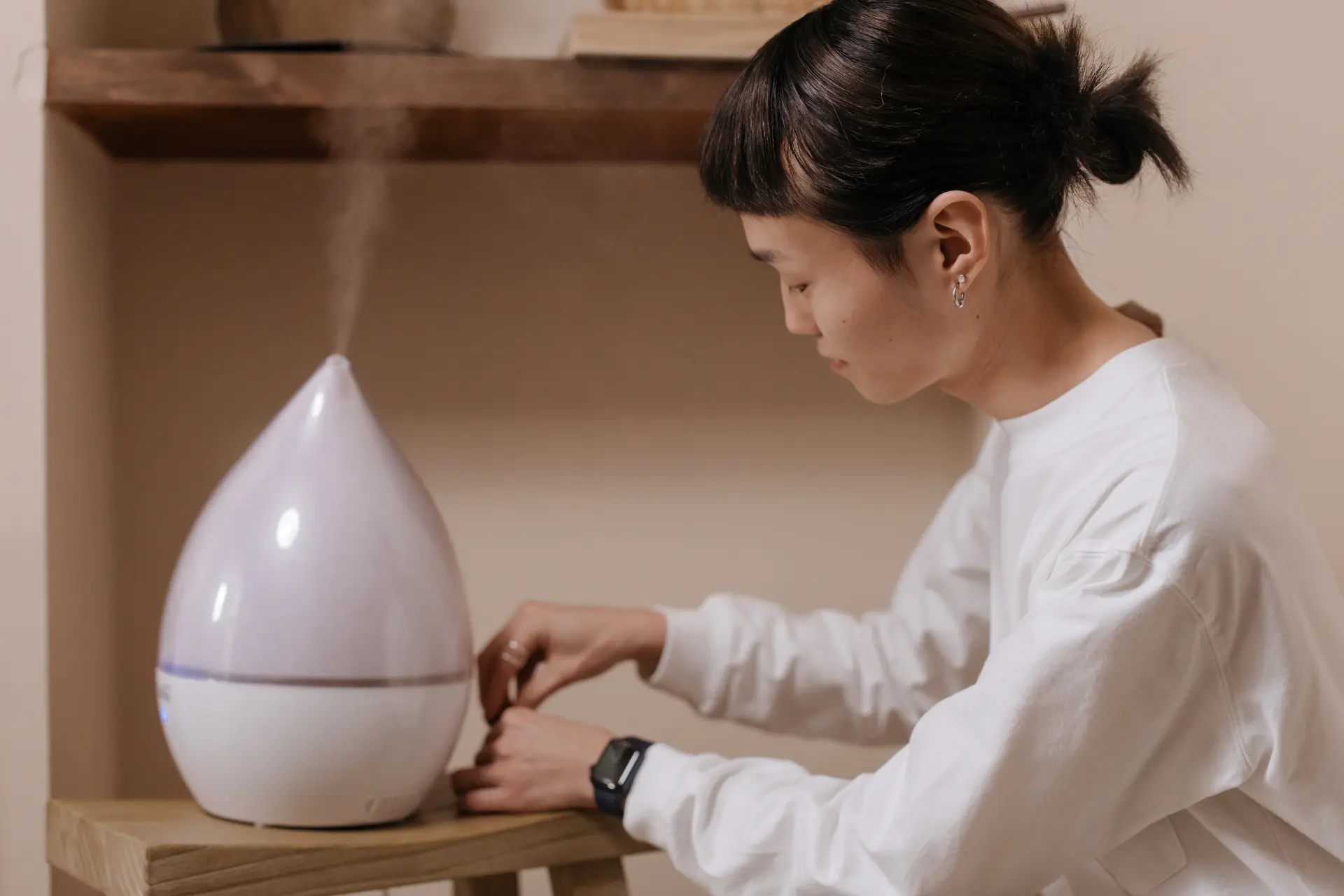
Cleaning a central humidifier requires technical expertise, so make sure to call licensed professionals. They’ll need to empty the tank, remove mineral buildup with an effective cleaning agent, disinfect all components, rinse thoroughly, and let everything dry completely before reassembling.
Ontario winters are already cold, but dry indoor air worsens the situation. Low humidity can trigger allergy symptoms, irritate sinuses, dry out skin, and even make the cold feel harsher. A reliable, well-maintained humidifier helps balance indoor moisture so your home feels comfortable again. However, to keep it running smoothly, it requires regular cleaning and maintenance.
A dirty humidifier can circulate mould, minerals, and bacteria into the air. It only worsens allergy symptoms and, in some cases, causes respiratory illnesses. Routine cleaning helps prevent these issues, keeping your unit safe to use. Here’s everything you should know about how to clean a humidifier properly, from sanitizing the filter to dumping out water reservoirs.
What Does a Humifier Do?
A whole-house humidifier adds controlled moisture into your home’s air through your central HVAC system. You can connect it directly to your furnace or air handler. Although pricier than its portable counterparts, it also distributes moisture more effectively and consistently through your ductwork.
Here’s a quick overview of how your living space would benefit from a regularly maintained humidifier:
- maintains the ideal humidity levels of 30% to 50% in the entire inside of your living space
- protects wood furniture, floors, and musical instruments from drying and cracking
- creates more comfortable air without needing to raise the thermostat
- reduces irritation in the nose, throat, and sinuses that worsens in low humidity
- helps relieve dry skin, cracked lips, and static electricity issues

How to Clean a Humidifier: with Vinegar or Hydrogen Peroxide Solution
While central humidifiers are best left to the professionals, small mobile units are easy to clean on your own. Here’s how to clean, sanitize, and maintain your humidifier with distilled white vinegar or a solution:
- Unplug the unit or shut off furnace power before starting.
- Disassemble the humidifier’s tank, tank cap, base, reservoir, and mist chamber (follow the owner’s manual).
- Pour out and drain all standing water in the storage to prevent bacterial growth.
- Rinse the tank with warm water to remove loose debris and mineral deposits.
- Fill the tank with undiluted white vinegar.
- Let it soak for 20 to 30 minutes so that the acid has enough time to kill bacteria and eliminate allergens.
- For more stubborn mineral buildup, use a soft-bristled brush to scrub the corners, seams, crevices, and bottom of the tank.
- Wipe the tank with a soft cloth until all traces of vinegar or hydrogen peroxide are gone.
- Once all the components are completely dry, you can reassemble your unit.
| Warning: Never mix vinegar with any other cleaning solution, e.g., bleach solution or hydrogen peroxide. It could potentially create toxic chlorine gas, which causes coughing, breathing problems, and eye irritation. |
How to Clean Humidifier Without Vinegar?
If you don’t have white vinegar, you can use DIY alternatives. Here’s how to create your own solution for sanitizing and cleaning your humidifier:
- Mix 3% hydrogen peroxide with warm water (one part peroxide, four parts water) or baking soda diluted in water (1 tablespoon per gallon. Again, don’t mix these chemicals with anything other than water.
- Unplug the unit and disassemble the water tank according to the owner’s manual.
- Pour out all the standing water.
- Use your cleaning agent to scrub the inside of the tank clean.
- Rinse thoroughly with water to remove all traces of scum.
- Let the components dry completely before reassembling them.

Image source: Canva
How to Clean Cool Mist Humidifier
Cool mist humidifiers can quickly build up mineral deposits, bacteria, and mould. Because these units disperse water particles directly into the air, any residue left inside the tank or base can circulate throughout your home. A light weekly clean helps maintain air quality and keeps the unit running efficiently.
- Unplug the humidifier.
- Empty and rinse the water tank.
- Fill the tank halfway with white vinegar and add warm water, then let it sit for 20 to 30 minutes. Vinegar breaks down calcium and lime deposits.
- Pour a bit of vinegar directly into the base (only if the manufacturer allows it).
- Use a soft brush or cloth to clean around the ultrasonic plate, mist outlet, and corners where residue collects. Avoid submerging the base.
- Rinse both the tank and base multiple times with clean water until the vinegar smell is completely gone. Any leftover residue can affect air quality.
How to Clean a Humidifier with Mould?
Mould growth in a humidifier typically occurs when standing water is left in the tank or internal parts remain damp between uses. Because humidifiers aerosolize water, mould contamination can spread spores into your indoor air.
- Turn off, unplug, and fully disassemble the humidifier according to the manufacturer’s instructions.
- Empty all remaining water and discard it immediately. Do not reuse or rinse it into another container.
- Wash the tank and removable parts with warm water and a small amount of dish soap to remove surface grime and biofilm.
- Prepare a disinfecting solution with white vinegar or hydrogen peroxide.
- Fill the tank with the solution and let it sit for 20 to 30 minutes. Do not mix cleaning agents.
- Use a soft brush or cloth to scrub mouldy areas, seams, and corners. Avoid abrasive tools that can damage plastic surfaces.
- Rinse all components thoroughly multiple times until no odour or residue remains.
- Allow all parts to air-dry fully before reassembling. Moisture trapped inside can encourage bacterial growth.

Image source: Shutterstock
How to Clean Ultrasonic Humidifer
Ultrasonic humidifiers use a vibrating metal diaphragm to create fine mist. Over time, mineral buildup and bacteria can collect on this ultrasonic plate, reducing mist output and dispersing particles into the air.
- Turn off and unplug the humidifier before doing a thorough cleaning.
- Empty the water tank and rinse it with warm water.
- Fill the tank halfway with distilled white vinegar and add warm water. Let it sit for 20 to 30 minutes to dissolve mineral deposits.
- If allowed by the manufacturer, add a small amount of vinegar directly to the base to target buildup on the ultrasonic plate.
- Use a soft brush or cotton swab to gently clean the ultrasonic diaphragm, mist outlet, and hard-to-reach corners. Do not scrape or apply pressure to the plate.
- Rinse the tank and base thoroughly with clean water until all vinegar solution residue and odour are gone.
- Allow all components to air-dry completely before reassembling the unit.
How to Clean a Humidifier Filter
Keeping your humidifier filter clean is less complex than disassembling the actual tank of your central humidifier. Here’s how to maintain a clean humidifier filter:
- Turn the humidifier off and disconnect power before removing the filter.
- Check whether your model uses a washable filter or a replace-only water panel/pad.
- For washable filters, rinse under cool running water to remove surface debris and mineral dust.
- Soak the filter in a mixture of one part white vinegar to two parts warm water for 20 to 30 minutes to break down mineral scale.
- Gently agitate or swish the filter while submerged. Scrubbing isn’t recommended because you might tear the mesh.
- Rinse thoroughly until there is no vinegar odour and no residue remains.
- Air dry completely before reinstalling.
- For whole-home humidifiers that use evaporator pads/water panels, we recommend replacement every season or once a year, as per the manufacturer’s guidelines.
- If the filter has dark stains, hardened scale, or a musty smell even after soaking, it must be replaced.

Image source: Shutterstock
How to Clean Dyson Humidifier
Dyson humidifiers are designed with built-in UV-C sanitation and deep-clean cycles, but mineral scale can still build up over time. Regular descaling keeps sensors accurate and ensures the unit continues to humidify evenly.
- Turn off the humidifier and disconnect it from the power source.
- Remove the water tank and drain any remaining water.
- Prepare a citric acid solution or use Dyson’s recommended descaling solution. Avoid vinegar unless Dyson specifically allows it for your model.
- Fill the tank with the solution up to the indicated level, then reinsert it into the unit.
- Activate the Deep Clean Cycle through the control panel or remote. This process typically runs for several hours and circulates the solution through internal pathways.
- Once the cycle finishes, empty the tank and rinse it thoroughly with clean water.
- Refill the tank with fresh water and run a short humidification cycle to flush out. Wipe the exterior vents and air inlet with a soft, dry cloth before resuming normal use.
In Summary
- Central humidifiers help maintain comfortable indoor air quality by keeping humidity levels between 30% and 50%.
- Dirty humidifiers can circulate mould, bacteria, and mineral residue, worsening allergies and respiratory issues.
- Regular maintenance includes draining stagnant water, descaling with vinegar or peroxide, and fully drying all components before reassembly.
- Washable filters must be rinsed, soaked, and dried, while evaporator pads or water panels usually need seasonal replacement.
- Whole-home humidifiers require professional annual servicing, especially if you notice odours, sediment buildup, or reduced performance.
- Vinegar is safe for portable units, but most central systems require manufacturer-approved solutions and should not be cleaned with DIY acids.
Get Your Humidifier Serviced by the Professionals at LG Home Comfort!
Not sure what’s wrong with your humidifier? LG Home Comfort is available to help 24/7. Our full-service HVAC technicians can install, repair, and maintain all types of humidifiers. We offer same-day emergency services across Ontario. Call today to book an appointment and request a sample estimate.


 1-866-438-5442
Terms and Conditions
- Once an initial service has been completed, the customer will be on a one-year commitment
- After the initial 12 months, the contract will be renewed on a month-to-month cadence
- If a service is completed for the next year, it automatically renews the commitment for an additional year
- Customers can cancel at any time after the 12-month initial commitment as long as the following year’s service has not been completed.
- Customers need to provide 30 days written notice in order to cancel their plan