


Comparing a Heat Pump vs Furnace For Homes
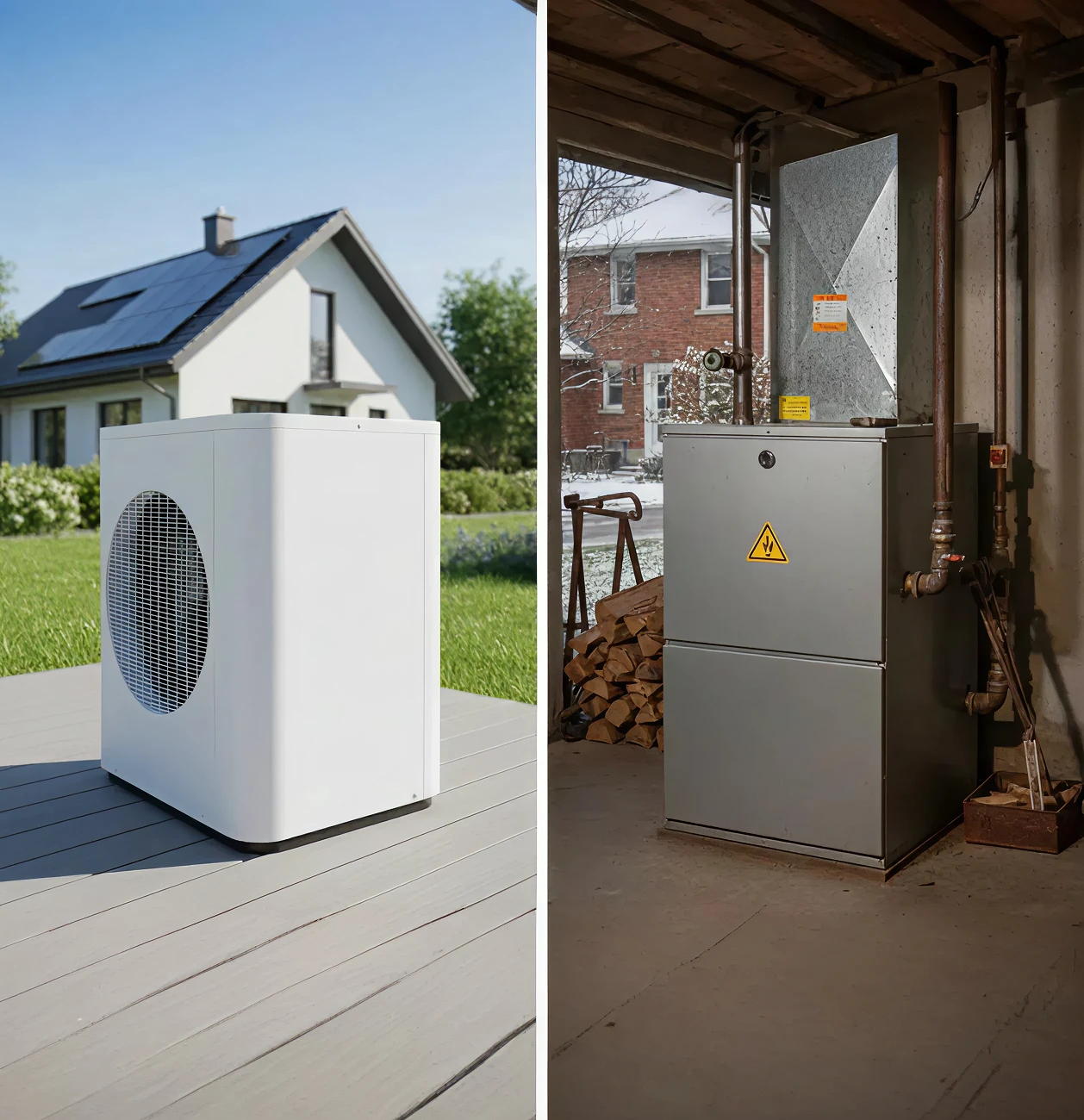
The heat pump vs furnace debate involves weighing the heat pump vs furnace cost against long-term savings. Understanding the difference between heat pump and furnace technology, including how each operates, ensures your family stays comfortable all year.
Deciding on a heating system in Southern Ontario used to be as simple as buying a gas furnace. However, modern heat pump technology has changed the game for local homeowners.
When considering heat pump vs. furnace options, you’re choosing for your home’s long-term energy efficiency and comfort, not just selecting a box for the basement.
Whether you’re a landlord, a first-time buyer, or a property manager, understanding the difference between heat pump and furnace systems is the first step toward a worry-free winter.
Let’s break down the pros, the cons, and the costs so you can leave the hard work to us.
The Heat Pump: A Two-in-One Efficiency Expert
A heat pump is essentially a magician for your home’s climate. Unlike a furnace, it doesn’t “create” heat. It moves it.
In the winter, it pulls thermal energy from the outdoor air (yes, even when it’s cold) and pumps it inside. In the summer, it reverses the process, acting as a high-powered but energy-efficient air conditioner.
- Unmatched efficiency: Heat pumps can be up to 300% to 400% efficient. For every unit of electricity used, you get three to four units of heat energy.
- Year-round comfort: You get heating and cooling in one sleek package, reducing the number of units you need to maintain.
- Better air quality: Because they don’t burn fossil fuels, there’s no risk of carbon monoxide leaks or nitrogen oxide emissions in your home.
- Gentle heat: Unlike the sudden “blast” of a furnace, heat pumps provide steady, even temperatures that keep every corner of the room cozy.
Are heat pumps useless once the thermometer drops?
Not anymore. While older models struggled in harsh winters, a modern cold climate heat pump is designed to generate heat even when the outside air is freezing. However, in extremely cold climates, an electric heat pump might work harder, increasing energy consumption.
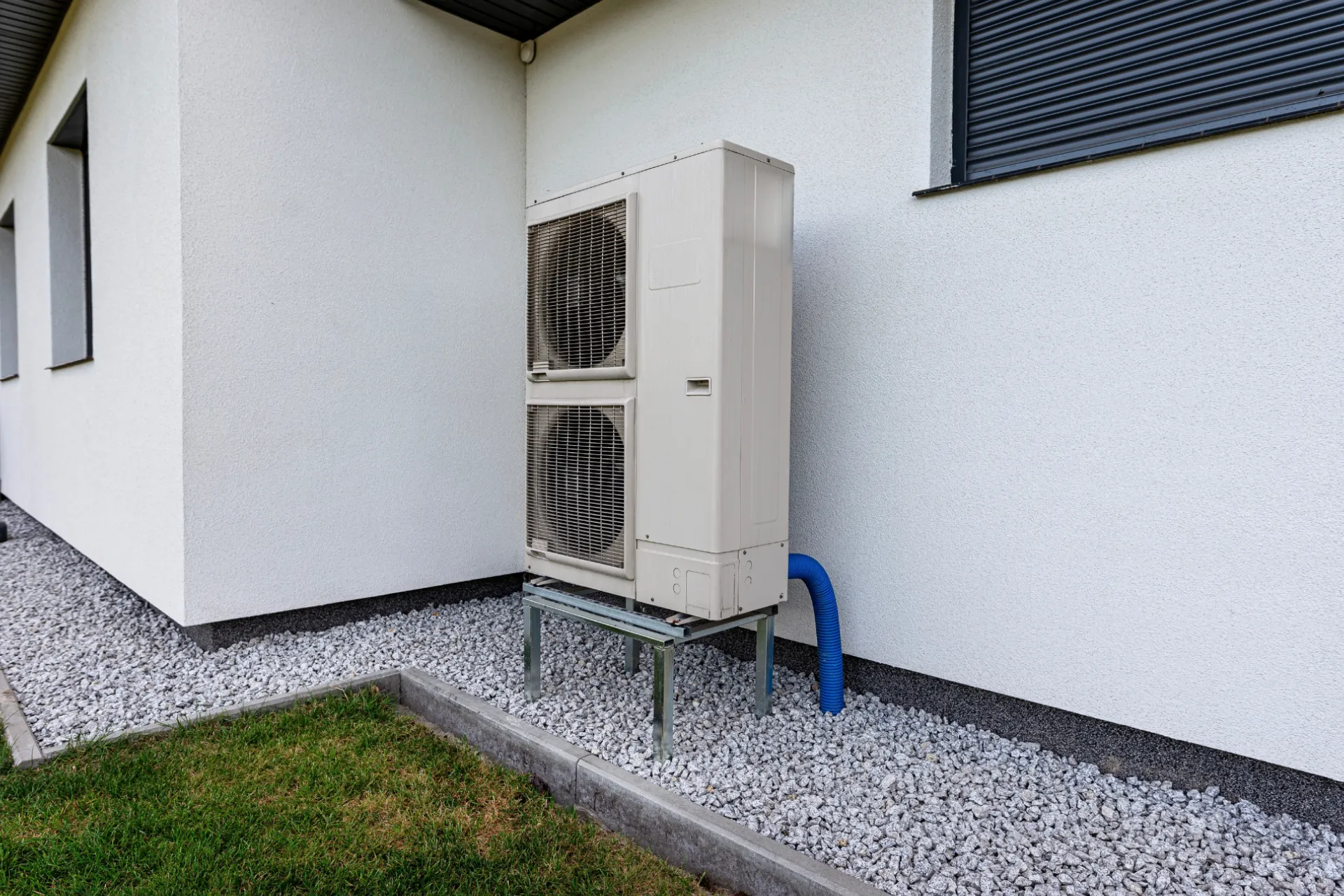
Image Source: Shutterstock
The Furnace: The Reliable Heavyweight
If you want a system that can handle a -30°C polar vortex without breaking a sweat, the furnace is your champion. Furnaces generate heat by burning fuel, usually natural gas, making them incredibly useful to keep your house warm on deep-freeze days.
The Furnace Advantage:
- Instant warmth: As soon as you turn it on, you feel the powerful heat immediately.
- Lower upfront cost: A furnace installation is generally more affordable than a heat pump system.
- Simplicity: Most Ontario homes are already piped for gas, making a replacement fast and straightforward.
Comparing the Heat Pump vs Furnace Cost
When comparing the cost of a heat pump to a furnace, consider both the initial sticker price and the long-term savings.
| Feature | Heat Pump | Gas Furnace |
| Initial Installation | $6,000–$15,000+ | $4,000–$8,000 |
| Monthly Operating Cost | Lower (30-50% savings) | Higher (fluctuates with the price of gas) |
| Lifespan | 10 to 15 years | 15 to 20 years |
| Maintenance | Annual tune-up | Annual inspection |
When evaluating heating systems, the energy costs are where the difference between heat pumps and furnaces becomes clear.
- Natural gas: A gas furnace often has higher operating costs if local energy prices for natural gas spike.
- Electric furnaces: While an electric furnace is cheap to install, it is incredibly expensive to run because it must produce heat through high energy consumption.
- Heat pumps: An electric heat pump offers efficient heating and lower operating costs over time, significantly reducing monthly energy bills.
Don’t let the higher initial price of a heat pump scare you off! In 2026, Ontario’s Home Renovation Savings Program offers rebates of up to $7,500 for air source and up to $12,000 for ground source heat pumps.
Electric Furnace vs Heat Pump: The Efficiency Gap
While an electric furnace is the most affordable type to purchase ($2,000 to $5,000), it is the most expensive to operate. In fact, an electric furnace can cost two to three times more per month than a gas furnace.
A heat pump uses the same electricity but far more effectively by moving heat instead of just creating it through resistance. If you want to go all electric, a heat pump is definitely the superior solution.
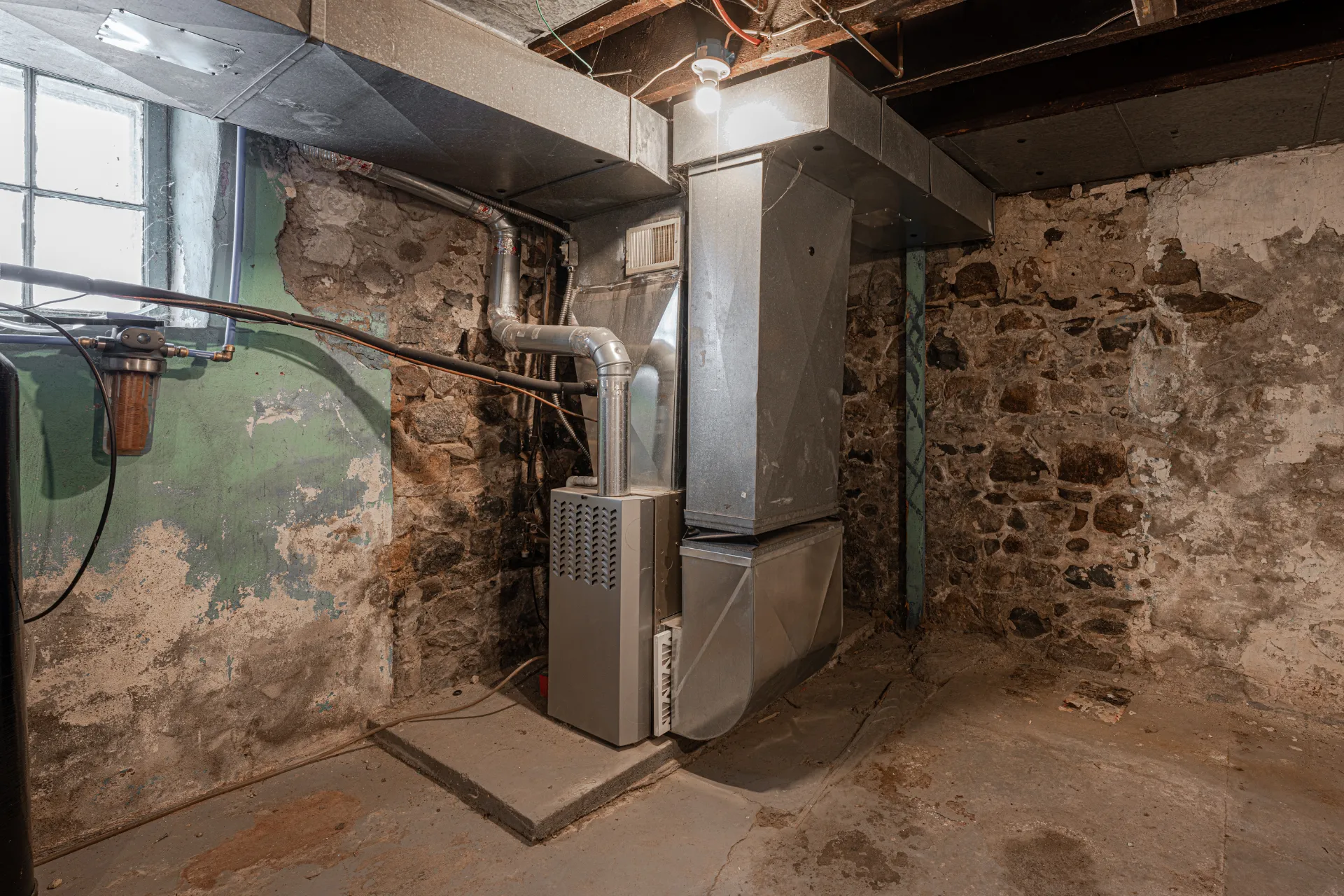
Image Source: Shutterstock
The Best of Both Worlds: The Hybrid System
Can’t decide? You don’t have to! A hybrid or dual-fuel system pairs a heat pump with a gas furnace.
The heat pump handles the mild days, and the furnace kicks in during extreme cold snaps. This gives you the efficiency of electricity and the reliable power of gas when you need it most.
Learn more: Is a dual fuel heating system right for you?
Which One Should You Choose?
Go with a Heat Pump if:
- You want to lower your carbon footprint and ditch fossil fuels.
- You are also in the market for a new air conditioner.
- You want to take advantage of massive government rebates.
Learn more: The Ultimate Heat Pump Buying Guide
Go with a Furnace if:
- You have a strict budget for upfront costs.
- You already have a brand-new AC and just need a heater.
- You live in an area where natural gas is exceptionally cheap.
Learn more: The Ultimate Guide To Buying A New Furnace
FAQs About Heat Pumps vs Furnaces
Key Takeaways
- Multipurpose HVAC systems: Modern air source heat pumps act as a two-in-one cooling system and heater, replacing your old air conditioner with a single, high-performance unit.
- Cold climate performance: Newer heat pump technology is specifically engineered to provide heat even when outside air reaches freezing temperatures, ensuring you aren’t left in the cold.
- Hybrid versatility: For those in extremely cold climates, a dual-fuel system pairs an electric heat pump with a gas furnace to guarantee sufficient heat during a brutal -30°C polar vortex.
- Efficiency gains: Choosing an energy-efficient heat pump over electric furnaces can reduce your operating costs by 30% to 50% because the unit transfers heat rather than burning fuel to produce heat.
- Rebate readiness: You can offset the higher heat pump vs furnace cost by utilizing Ontario rebates, which offer up to $7,500 to help lower your home’s greenhouse gas emissions.
- Safety and air quality: Swapping a traditional gas heating unit for a heat pump eliminates the risk of carbon monoxide leaks and nitrogen oxide emissions, slashing household emissions and removing the risks associated with indoor fuel combustion.
The LG Home Comfort Assurance
Whether you choose a gas furnace to avoid carbon monoxide leaks from an aging unit or a new heat pump to lower your greenhouse gas emissions, we’ve got something for you. Don’t settle for a cold home when temperatures drop.
LG Home Comfort offers same-day and next-day service because we know that when your heat goes out, every minute counts. Give us a call, and we’ll find the perfect solution for you.
Leave your home’s comfort to us.



 1-866-438-5442
Terms and Conditions
- Once an initial service has been completed, the customer will be on a one-year commitment
- After the initial 12 months, the contract will be renewed on a month-to-month cadence
- If a service is completed for the next year, it automatically renews the commitment for an additional year
- Customers can cancel at any time after the 12-month initial commitment as long as the following year’s service has not been completed.
- Customers need to provide 30 days written notice in order to cancel their plan