

 1-866-438-5442


 Heating & Cooling
 Water & Air Quality
 Home Security
 Commercial Solutions
 PROUDLY CANADIAN

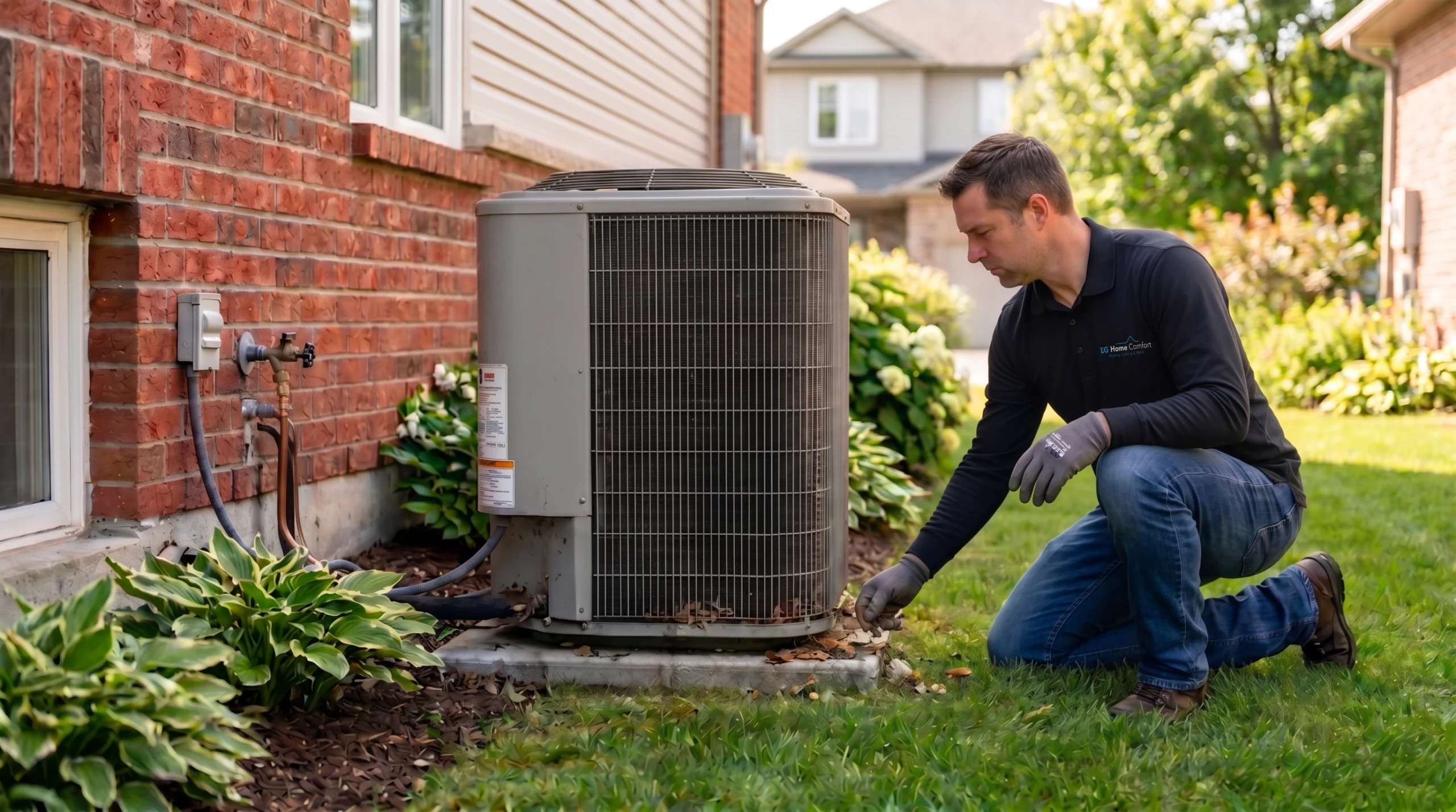

Table of Contents

Every summer, homeowners across Ontario experience air conditioner problems that often develop gradually rather than suddenly. In many cases, routine maintenance could have identified the issue before it became a more expensive repair.
Most AC problems don’t occur overnight. They build slowly as the result of a few basic air conditioner maintenance tasks that keep getting pushed to next weekend. This guide covers the three maintenance tasks that matter most that can help reduce the likelihood of common air conditioner problems.
The Home AC Maintenance Checklist at a Glance
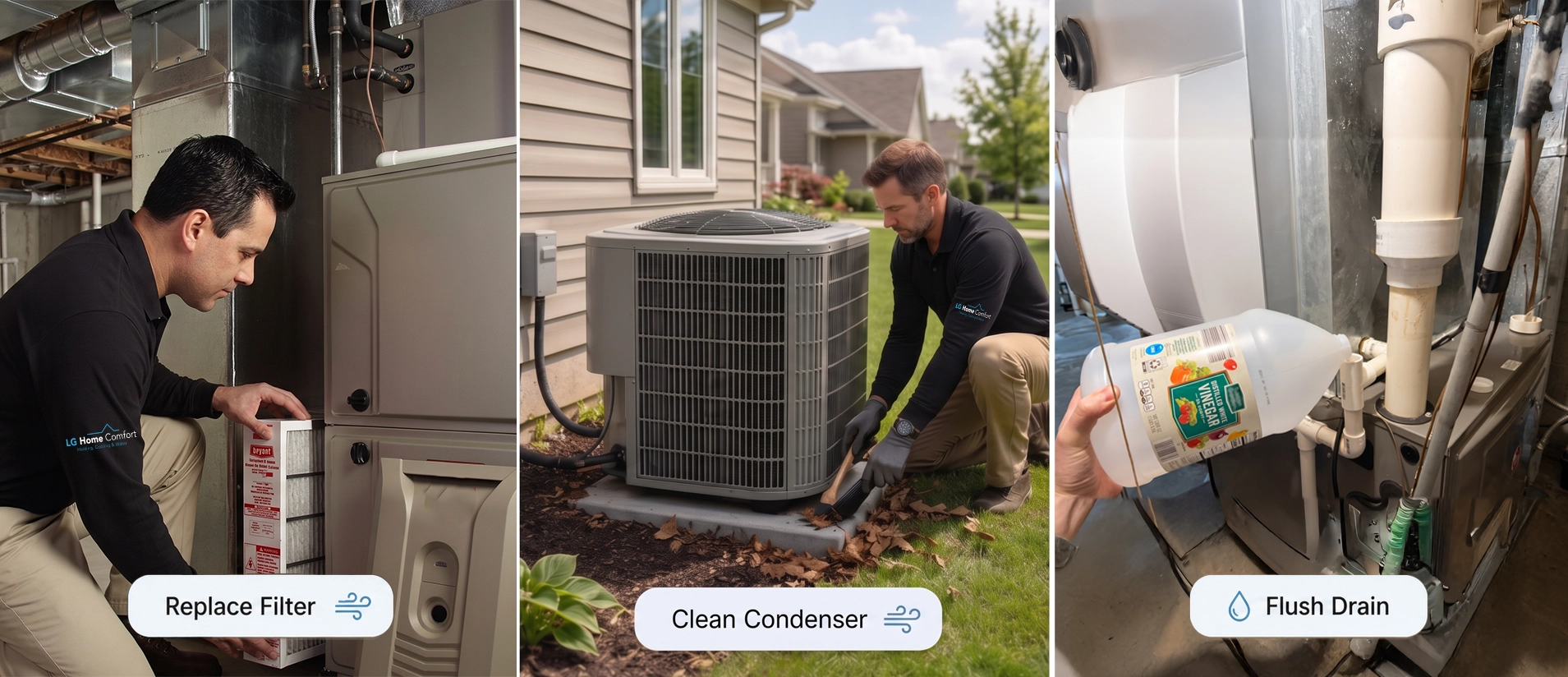
If you want a quick reference before diving into the details, here’s your home AC maintenance checklist:
| Task | How often |
|---|---|
| Replace the air filter | Every 1-3 months during cooling season |
| Clean the outdoor condenser unit | Once at spring startup; monthly check during summer |
| Flush the condensate drain line | Once in spring; more often if you’ve had clogs before |
Tip 1: Replace the Air Filter and Actually Do It on Schedule
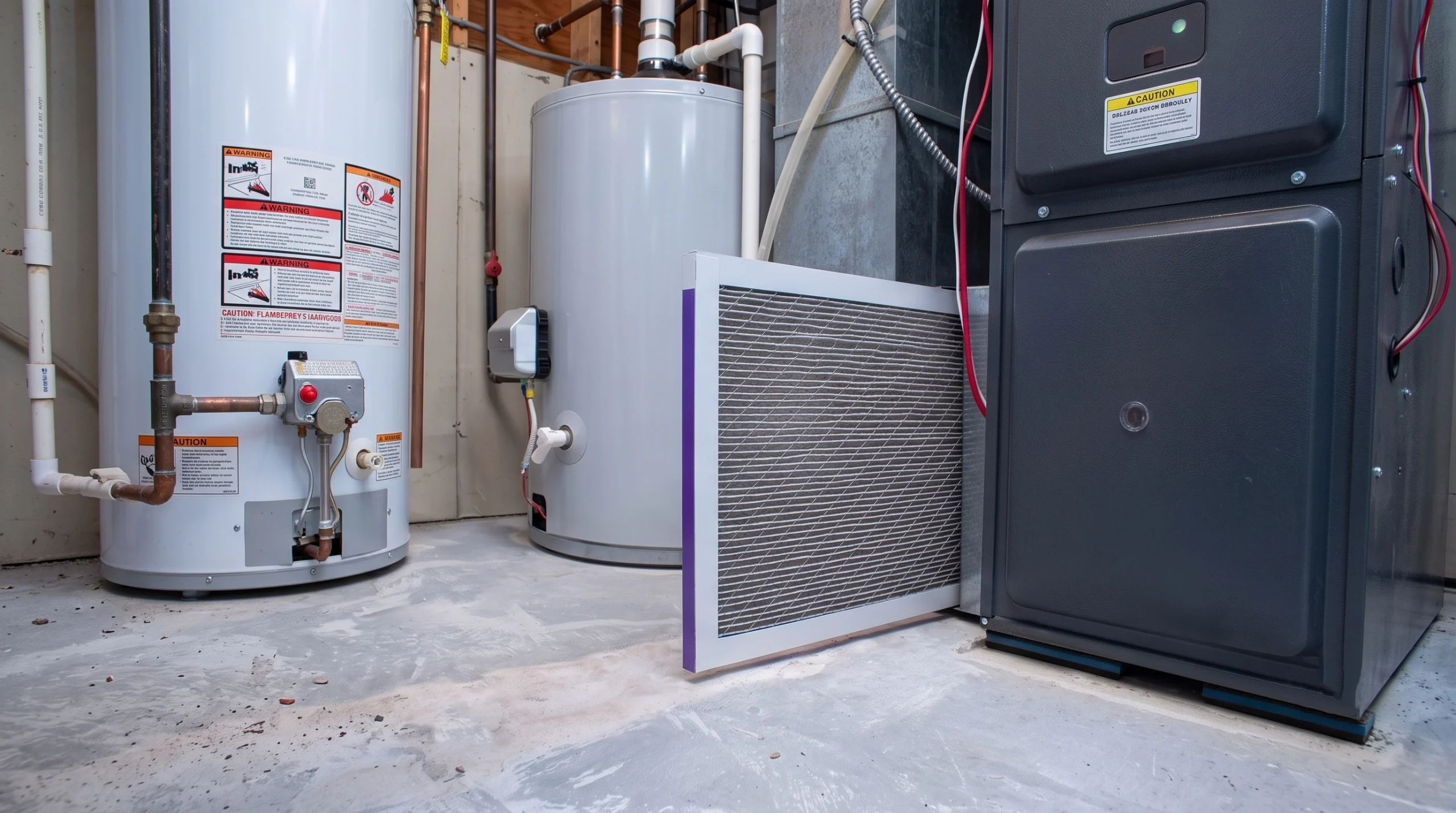
If you prioritize only one maintenance task, replacing the air filter should be at the top of the list. The filter is inexpensive and easy to replace, and it’s the part homeowners forget most often. A clogged air filter is one of the most common causes of restricted airflow and reduced cooling performance.
Here’s what happens when a filter gets too dirty. It restricts airflow through the system. The coil needs a steady flow of warm air to stay above freezing, and without it, the coil drops below freezing and starts to ice up. The blower motor struggles to pull air through the clogged screen, drawing more power than normal. The system begins overheating, short cycles, and eventually shuts down. A fix that might have cost the price of a replacement filter can turn into a service call that may result in more extensive repairs once a technician has to diagnose a frozen coil or a failed blower motor.
How to do it
- Turn the system off at the thermostat
- Find the filter, usually in the return air grille or inside the air handler
- Note the size printed on the filter frame (e.g. 16x25x1 or 20x20x4)
- Install the new filter with the arrow pointing toward the air handler
- Write the replacement date on the frame with a marker so you can easily track when to change it next.
For guidance on filter types, MERV ratings, and how to choose the right filter for your home, see our guide on furnace filters and when to replace them.
How Often Should You Replace Your AC Filter in Ontario?
| Home situation | Recommended frequency |
|---|---|
| Single adult, no pets, minimal dust | Every 3 months |
| Couple or family, no pets | Every 2 months |
| Pets in the home | Every 4-6 weeks |
| Allergy sufferers using a high-MERV filter | Every 4-6 weeks |
| During wildfire smoke events | Check weekly; replace as needed |
Note on wildfire smoke: The wildfire smoke row isn’t theoretical. Ontario has seen meaningful air quality impacts from smoke in recent summers. During those events, filters clog faster than the schedule above suggests check weekly and don’t wait until the usual replacement date.
Tip 2: Clean and Clear the Outdoor Condenser Unit
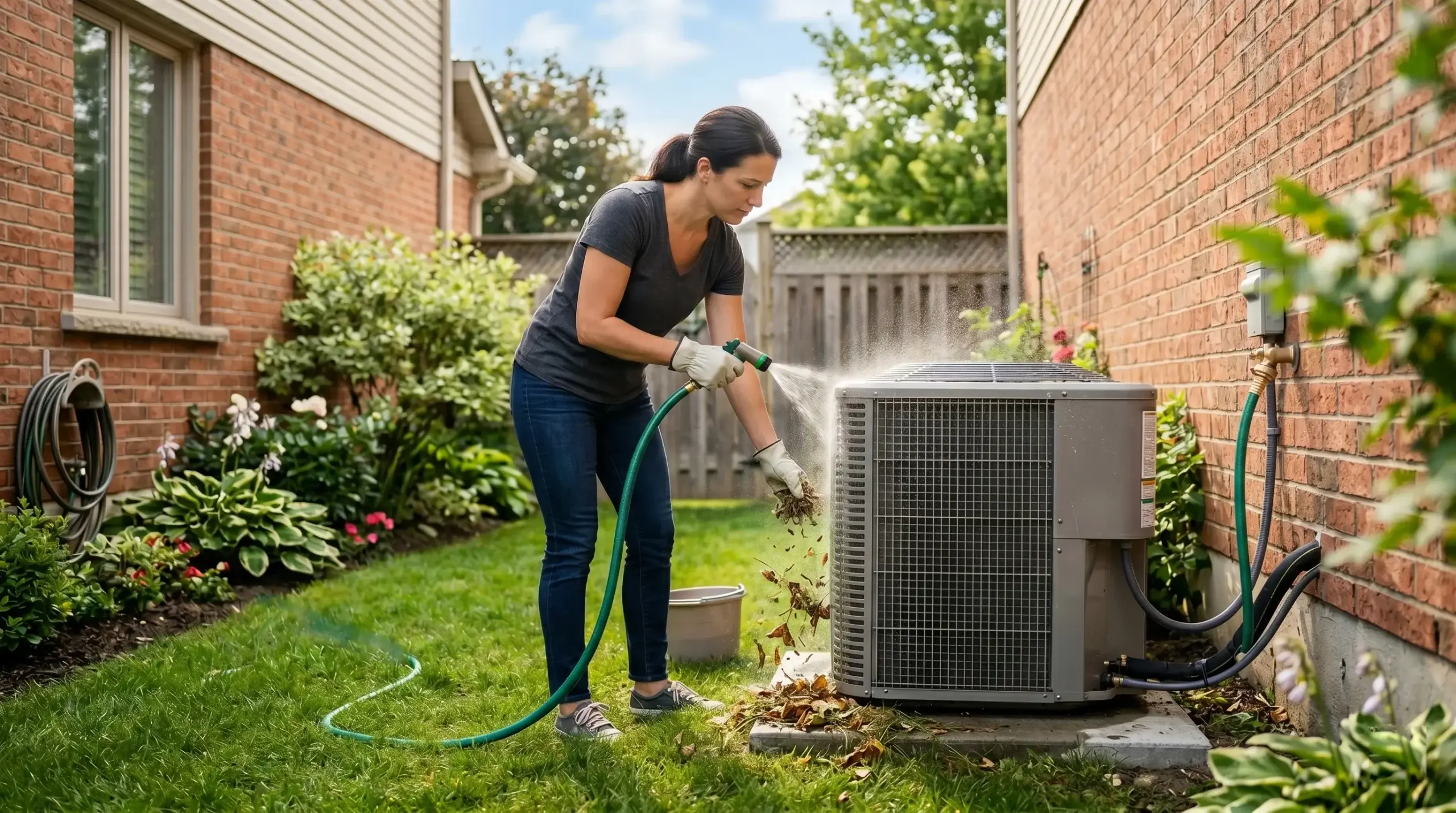
The outdoor unit’s job is to dump heat from your home into the outside air. It can only do that if air can actually move through it. When the fins are clogged with cottonwood seed fluff, grass clippings, and leaf debris, or when shrubs have grown in around it, the system has to run harder and longer to do the same job. Your hydro bill goes up, the compressor wears faster, and eventually it can overheat.
This is one of the most impactful DIY AC tune-up tips you’ll find, and it typically takes about 20 minutes.
Spring Startup: Do This Before Your First Run of the Season
- Turn off power at the outdoor disconnect switch
- Remove any winter cover and store it until next winter.
- Clear debris from the top and sides by hand: leaves, twigs, seeds, and any nesting material from winter
- Rinse the condenser fins gently from the inside out using a garden hose at low pressure
- Check that the unit is level on its pad, as frost heave can shift it over the winter.
- Inspect the insulation on the larger refrigerant line running into the house, and replace it if it’s cracked or missing. To ensure your entire system is operating at peak efficiency, spring is the ideal time to schedule your comprehensive annual maintenance.
- Test the thermostat: set it to ‘cool’ at least 3°C below room temperature and confirm the system starts within 2-3 minutes
For Hamilton AC maintenance customers, our spring startup visits include all of these checks plus a full refrigerant pressure test and a thorough electrical inspection. Book before May to secure your availability!
Monthly during summer
- Check that vegetation hasn’t grown back into the 60 cm (2-foot) clearance zone around the unit
- Clear grass clippings after mowing, as they pack into the fins surprisingly fast.
- Make sure nothing has been leaned against or placed on top of the unit
Important: Avoid using a pressure washer on condenser fins, as it bends them and permanently reduces airflow. Always disconnect power before reaching inside the unit, and avoid running the AC if the condenser is heavily buried in debris, as this risks overheating the compressor.
Tip 3: Flush the Condensate Drain Line Every Spring
When your air conditioner is running and cooling the room for you, it also pulls a large amount of moisture out of the indoor air. On a hot, humid day, it can remove tens of litres of water. This water drains through a small PVC pipe known as a condensate line.
As the season goes on, biofilm, algae, mould, and mineral deposits can gradually build up inside the drain line, and that buildup eventually becomes a clog. A clog causes the drain pan to fill and overflow, which trips a safety switch and forces the system to shut off.
The accumulated water can leak into your floors or drywall before you notice it. Many midsummer service calls across Ontario are related to clogged condensate drains that could often be prevented through seasonal maintenance.
This is one of the most common mid-summer service calls we respond to, and it’s often preventable with 20 minutes of AC care in spring. For a deeper guide on preventing drain clogs year-round, see our post on DIY AC drain line maintenance.
How to do it
- Find the condensate drain access port near the indoor air handler, usually a T-shaped cap on the white PVC pipe
- Pour 250 mL of undiluted white vinegar into the port
- Wait 30 minutes. The vinegar helps break down biofilm and loosens mineral buildup without damaging the pipe.
- Follow with a cup of clean water
- Go outside and confirm water is dripping from the drain outlet
If the drain is already clogged
Use a wet-dry vacuum at the outdoor end of the pipe. Press it firmly against the opening, seal the gap with a rag, and run it for 60-90 seconds to pull the clog out. Then flush with vinegar. If the blockage won’t clear, see our detailed guide on why your air conditioner is leaking water for next steps.
What These Three Tips Can’t Replace?
These tasks cover what every Ontario homeowner can safely handle themselves, and doing them consistently prevents the majority of common AC failures. But there’s a layer underneath that requires a technician: refrigerant level testing, electrical component checks, deep coil cleaning, blower motor inspection, and full system airflow measurement. None of that is DIY territory. For a full list of what homeowners should and shouldn’t attempt, see our guide on common AC mistakes to avoid.
Annual maintenance by a licensed HVAC professional is generally recommended before the cooling season begins. A full maintenance visit typically takes 60 to 90 minutes and covers everything these three tips can’t reach. Kitchener AC maintenance bookings fill fast in May, so schedule early to guarantee your slot before the cooling season starts.
Think of the three tips above as the maintenance you do between professional visits, not instead of them. If you’re unsure about your system’s condition, consider scheduling an annual maintenance inspection with a licensed HVAC professional.
FAQ's
01 How often should I service my AC in Ontario?
Have a professional service your AC once a year, ideally in April or May before cooling season. Between visits, change the air filter every 1-3 months, check the condenser monthly during summer, and flush the condensate line each spring. Performing these maintenance tasks regularly can help reduce the likelihood of common air conditioner problems.
02 Can I do AC maintenance myself in Ontario?
Yes. The three tasks in this guide (condenser cleaning, filter replacement, and condensate drain flushing) are safe for most homeowners with little or no technical experience. Anything involving electrical components, refrigerant, refrigerant lines, or coil replacement requires a certified HVAC technician. Handling refrigerant without certification is illegal in Canada under federal environmental law.
03 What happens if I skip the spring AC startup checklist?
The most common consequence is a mid-summer breakdown caused by something that was present in spring but went unnoticed: a clogged drain line, a dirty condenser, a filter due for replacement, or a thermostat that wasn’t verified. These are all preventable. The first hot day in July is the wrong time to discover a problem that was there in April.
04 How do I know if my AC condensate drain is clogged?
Signs include water pooling around the indoor air handler, the system shutting down for no obvious reason (the float switch has triggered), visible water staining on walls or ceilings near the indoor unit, or a musty smell from the vents. If you notice any of these, flush the drain line as described in Tip 3 above. If the line won’t clear or the problem recurs, see our DIY AC repair guide or call a technician.
05 Is it worth getting a professional AC tune-up if I do DIY maintenance?
Yes, DIY and professional maintenance address different layers of the system. The three tasks in this guide handle what’s accessible to a homeowner without tools or training. A professional tune-up covers refrigerant pressure, electrical component testing, deep coil cleaning, blower motor inspection, and system airflow measurement, none of which are visible or reachable from the outside. Combining routine homeowner maintenance with annual professional servicing helps support reliable system performance and long-term efficiency.

Don't miss our latest guides and updates.
Add LG Home Comfort as a Preferred Source on Google.


Table of Contents
Show More

Related Articles



Search Articles