


What Is the Cost to Install an EV Charger At Home In Canada?
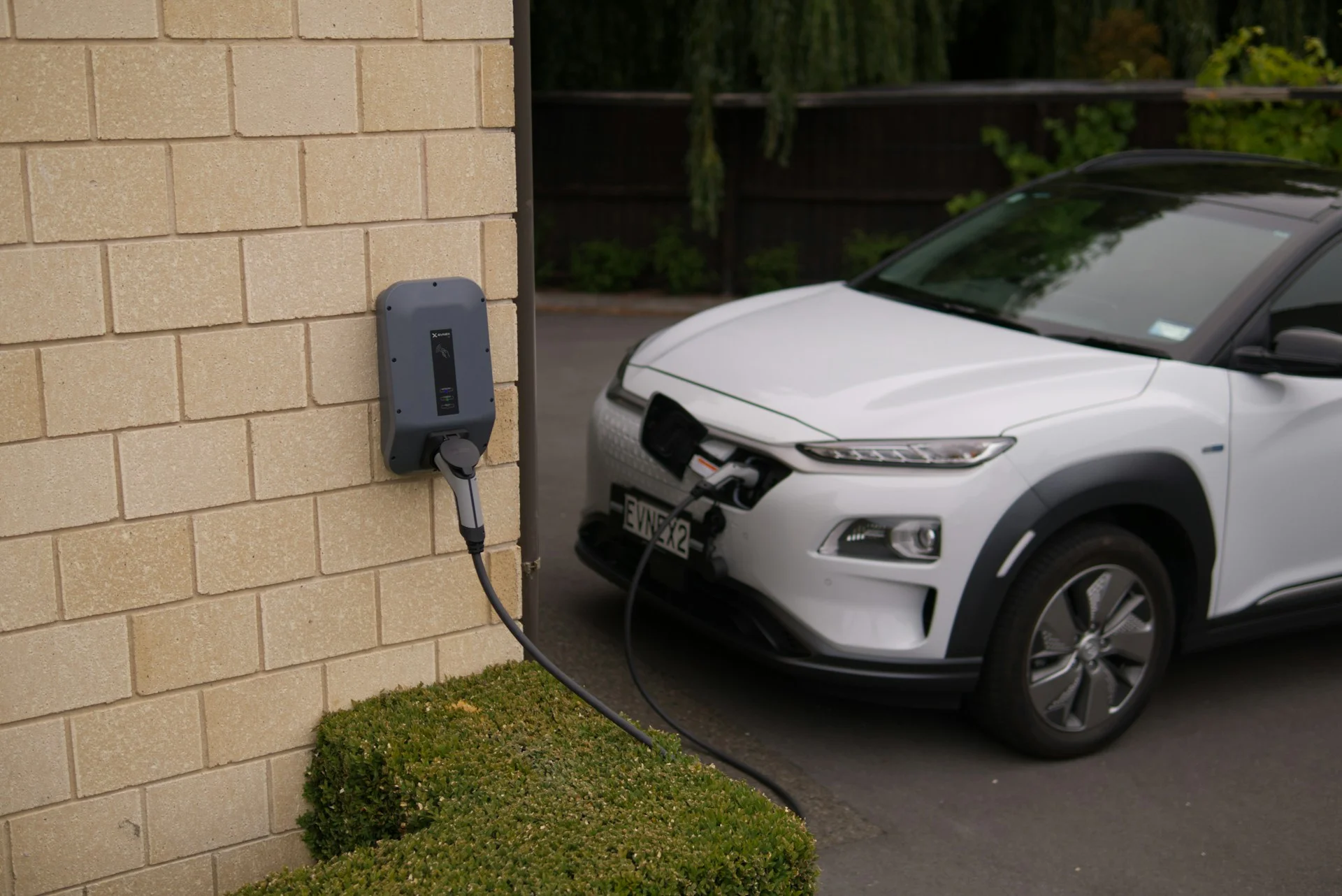
Home EV charger installation in Canada typically costs around $2,000 for a Level 2 charger. This cost includes equipment, wiring, and labour. However, the final price would vary depending on panel capacity, distance to the electrical panel, conduit work, and ESA permit fees.
Canada is continuously expanding its network of public EV chargers. Although they’re easy to find in major cities across Ontario, nothing beats the convenience of having a fast, reliable charger at home. You won’t need to plan your drives around public stations anymore.
If you already drive an EV but still don’t have a home charger (or use a slow one), you’re missing out. It’s a practical upgrade that guarantees a fully charged car every morning, saving you time and money. Here’s what you should know about how much it would cost to install an EV charger at home in Canada.
How Much Does It Cost to Install an EV Charger at Home in Ontario?
Source: Unsplash
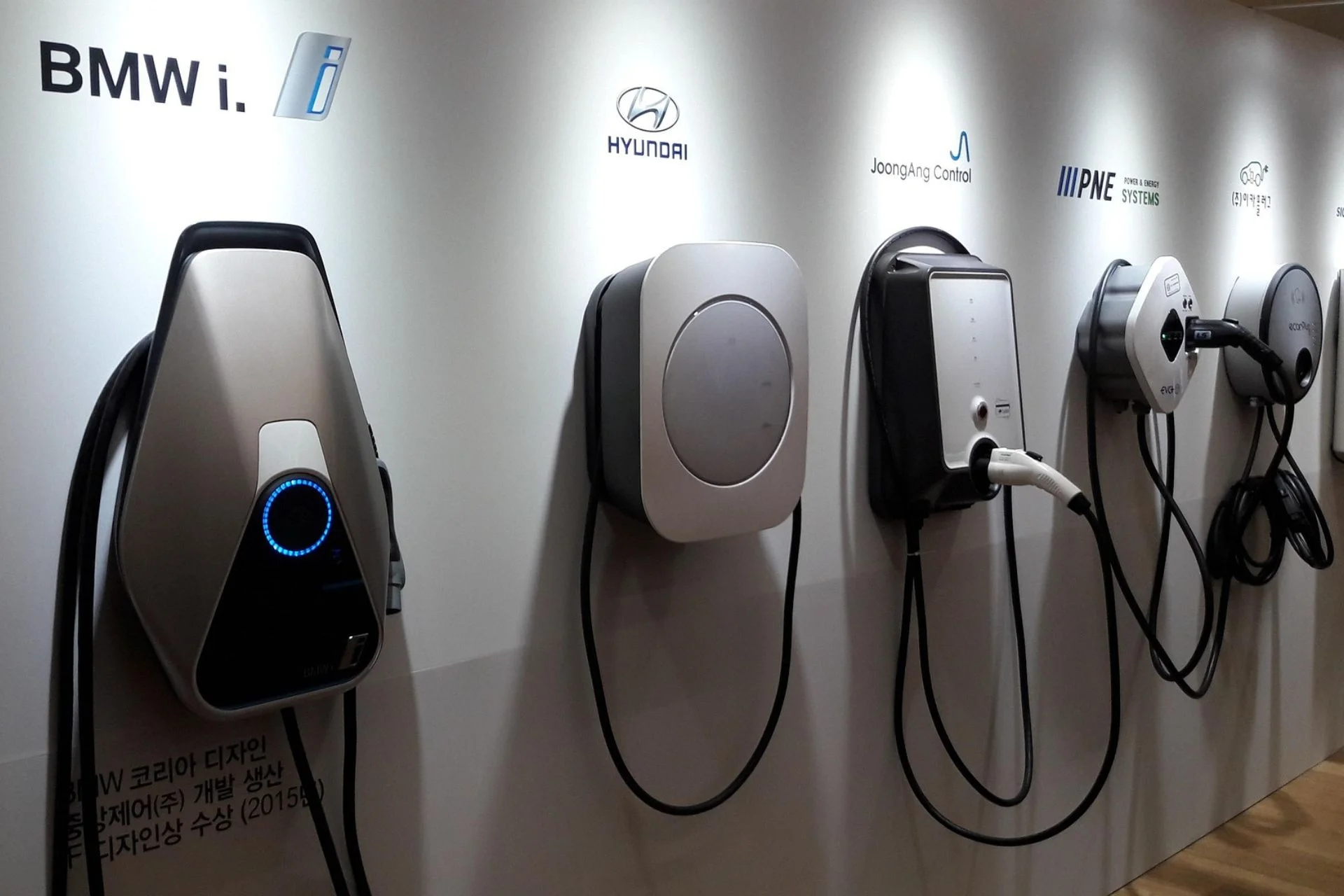
Home EV charger installation in Ontario typically ranges anywhere from $0 to $2,000, depending on charger type and placement. Level 1 chargers are usually included with most electric vehicles. If your home’s electrical capacity already supports 120V outlets, you’ll only have to pay for professional installation fees.
Level 2 chargers, on the other hand, cost around $600 to $1,200. But considering the labour costs for panel upgrades and electrical work, your out-of-pocket expenses should hit close to $2,000.
| Category | Level 1 (120V) | Level 2 (240V) |
| Equipment Cost | Included with most EVs | $600 to $1,200, depending on brand, amperage, smart features |
| Installation Cost | $0 to $400 if an existing outlet is usable | $700 to $2,000 |
| Typical Total Cost | $0 to $400 | $1,500 to $2,000 for most homes |
| Electrical Requirements | Standard household 120V outlet | Dedicated 240V circuit + new breaker |
| Charging Speed | 8 km/hour | 30 to 40+ km/hour (varies by amperage) |
| Best For | Low-mileage drivers, overnight trickle charging | Daily commuters, long-range EVs, fast overnight charging |
What Affects the Cost of Home EV Charger Installation?
The costs to install an EV charger vary widely based on your home’s electrical infrastructure. An electrician must first evaluate the load capacity, wiring routes, wall access, and outdoor protection requirements of your property. Likewise, ESA permits and inspections also add to the final price.
To help you set a realistic budget, let’s break down the several factors that affect installation expenses:
Electrical Panel Capacity
If your home still uses 100A panels, you might have enough capacity for a Level 1 home EV charger. It only needs a dedicated 40A to 60A breaker. However, if you’re opting for a Level 2 charger, you’re likely approaching the maximum load and would need to upgrade your electrical panel. It could spike your total cost by at least an extra $2,500.
Conduit Length and Complexity
Source: Unsplash
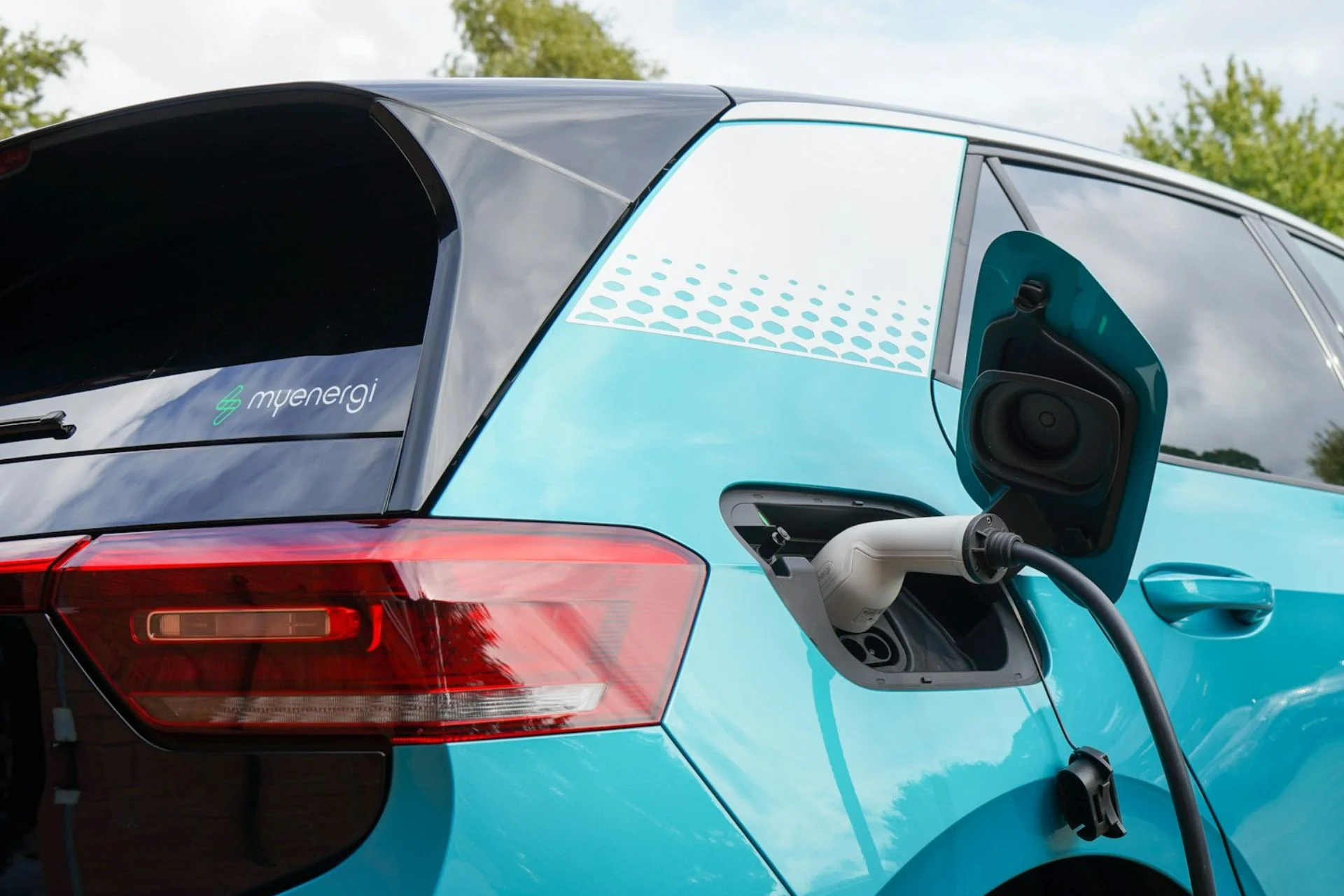
Your conduit may need to run through basements, garages, crawlspaces, or exterior walls if you’re installing the charger outdoors. Unfortunately, longer wiring runs increase both labour time and material cost. To minimize conduit work, place your charging station as close as possible to the electrical panel.
Wall Type
Wall accessibility directly impacts wiring complexity and total installation hours. It’s cheaper and easier to work on unfinished basements and garages because they allow for direct surface-mounted wiring.
Meanwhile, finished drywall might require cutting, fishing, and patching. It would be even pricier to work on masonry walls outside your house since they’ll require drilling and weatherproof conduit.
Distance From Electrical Panel
The further your home EV charging setup is from the panel, the more copper wiring and conduit are required. Typical runs can range from 10 to 60+ feet, depending on home layout. If you’re passing through multiple floors or tight spaces, you’ll need longer, higher-gauge wiring.
Charger Placement
Are you placing your home charger indoors or outdoors? Indoor garages are faster and cheaper to wire. Meanwhile, outdoor chargers cost more since they use weatherproof enclosures, UV-rated conduit, and GFCI protection. They’ll have to comply with CSA/UL outdoor rating standards.
Permit and ESA Inspection Fees
Ontario requires an ESA permit for all hardwired and plug-in EV charger installations. Only licensed electrical contractors can file the permit. The fees vary, but for residential use, expect to pay an extra $50 to $150 for the necessary permits.
What to Look for When Choosing a Home EV Charger
What makes a solid electric vehicle charging station? As much as you’d want to keep the costs low, price is merely one part of the equation. A high-quality, reliable charger should match both your vehicle and your home’s electrical capacity. So, don’t jump at the cheapest offer you get. Choosing the wrong amperage or plug type could lead to slow charging, pricey electrical upgrades, or even safety hazards.
Here’s what to look for in an EV charger:
Charging Speed (Amps/kW)
Source: Pexels
Contrary to popular belief, a higher amperage doesn’t always result in a faster charging speed. Your vehicle’s onboard charger has a maximum charging rate, so installing a 48A unit on a car capped at 7.7 kW won’t produce faster charging. Also, not all homes can support 48A without upgrades. Installing higher amperage requires thicker wiring, larger breakers, and more panel capacity.
Vehicle Compatibility
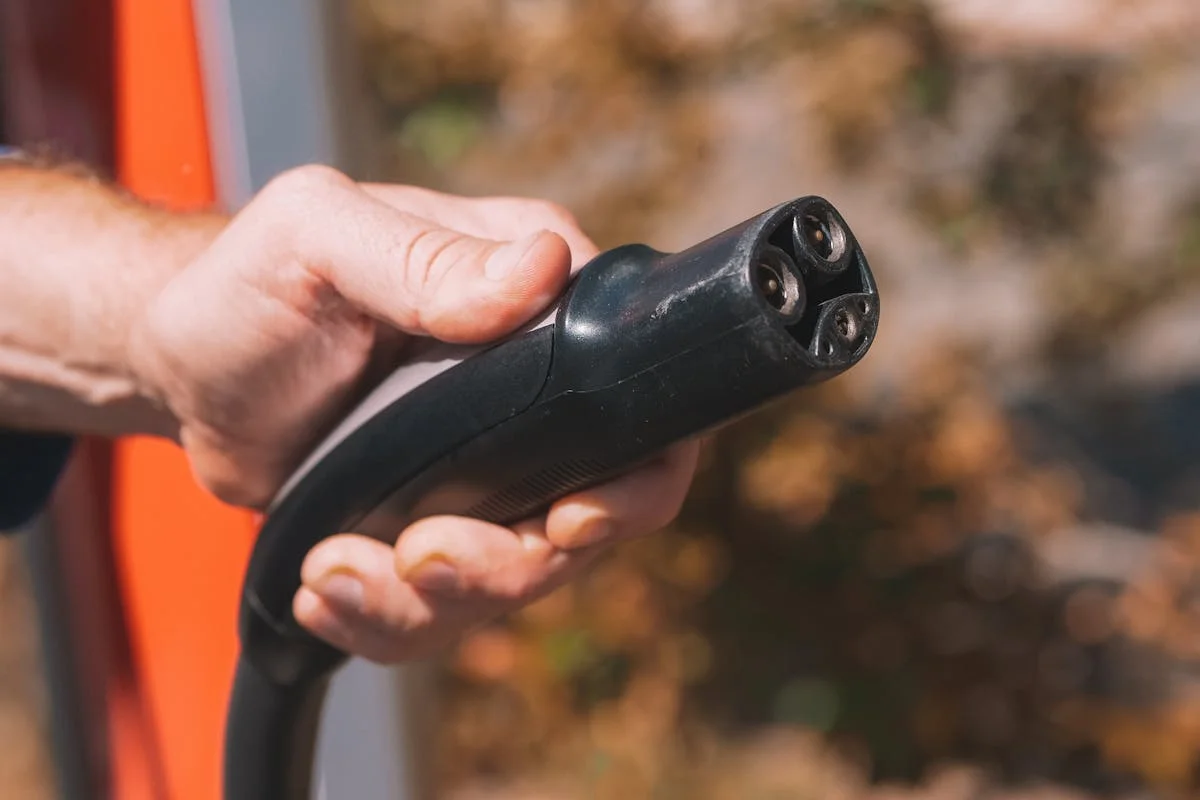
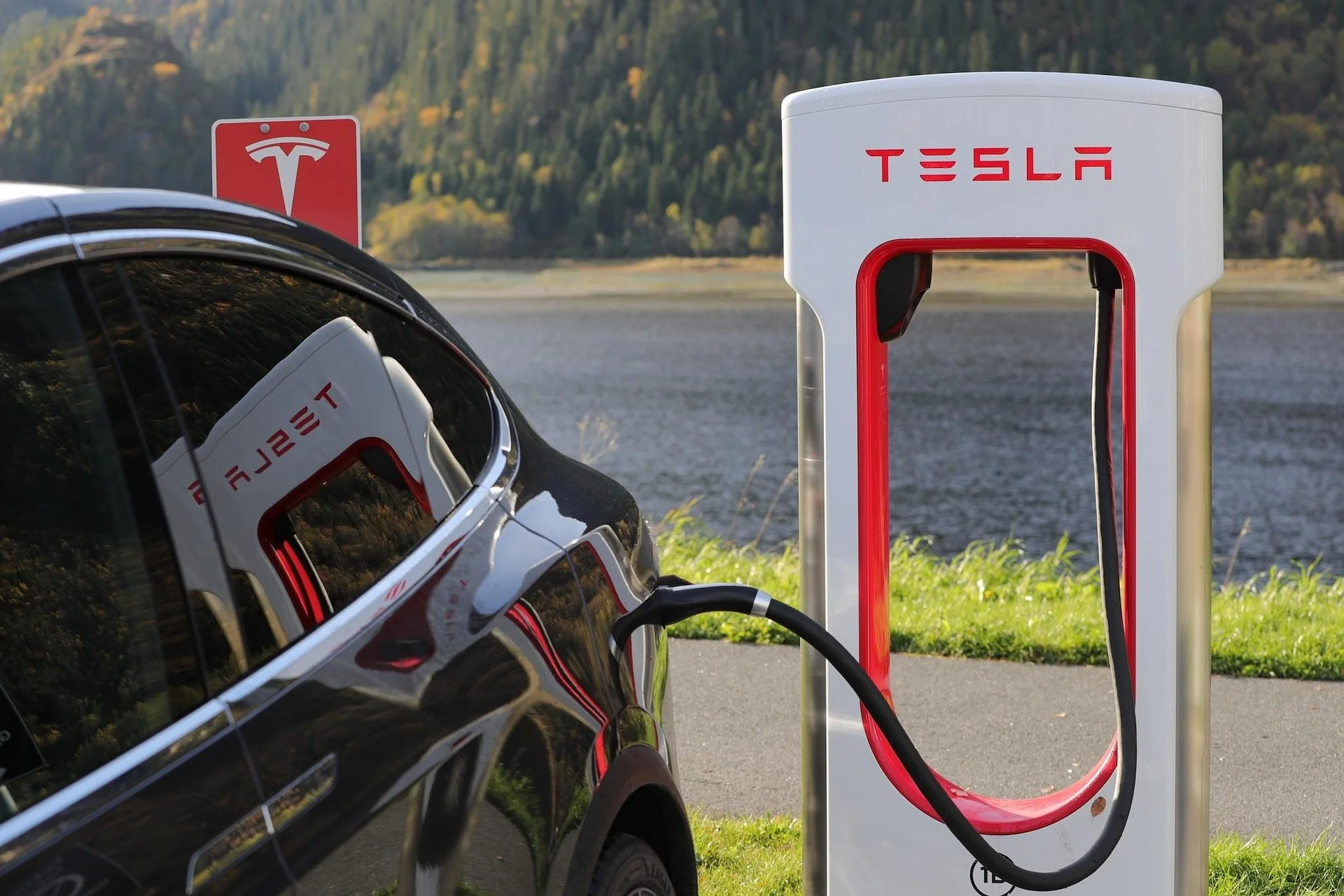
Plug type matters if you’re planning to own multiple electric cars. Nearly all major vehicle manufacturers in Canada use J1772. It’s the standard receptacle and connector for Level 1 and 2 charging. Tesla EV owners can either use the adapter that comes with their vehicle or install a specialized charger with an optional Tesla plug.
Hardwired vs. Plug-In Chargers
Hardwired chargers provide the most stable current, and the Electrical Safety Authority (ESA) requires it for units above 40A. They address outlet heat issues and are preferred for outdoor or high-amperage installations.
Plug-in chargers, on the other hand, are cheaper and easier to install. They’re suited for renters or homeowners who want the installation done fast. They require a 240V NEMA 14-50 outlet, but the outlet itself is only rated for a 40A continuous load, which limits the charger’s output.
Electrical Safety Certifications
Source: Pixabay
In Canada, EV chargers and other electrical equipment must be certified for the Canadian market. They need a cUL or CSA mark, not the standard UL mark used in the United States. Installing a non-certified charger will result in a failed inspection, and you’ll be responsible for the cost of removing and replacing it.
Note: You can find the complete list of recognized approval marks on the ESA website; however, the cUL mark is simply a black and white logo featuring the word “cUL.”
FAQs About EV Charging Station Installation Cost
Do I need a permit to install an EV charger in Ontario?


Yes, all EV charger installations in Ontario require an Electrical Safety Authority (ESA) electrical permit. It applies to both hardwired and plug-in Level 1 and Level 2 chargers. What’s more, only a licensed electrician can legally file the permit, so homeowners cannot file for EV charger installations.
What affects the cost of installing an EV charger?
The major factor to consider is the charger type. Level 2 chargers generally cost more than Level 1 variants, as they offer a faster charging speed. Other factors to consider include electrical panel capacity, permit fees, wall type, conduit length, and smart upgrades.
Can I get a rebate for EV charger installation in Canada?
The Zero-Emission Vehicles (iZEV) program ended in 2018, so at this time, the Ontario government doesn’t offer rebates to homeowners. Likewise, commercial property owners no longer have access to funding. The Zero Emission Vehicle Infrastructure Program (ZEVIP) also stopped accepting new applications in 2024.
How much does a Level 2 charger cost to install at home?
For Level 2 chargers, the unit itself typically costs between $600 and $1,200. However, your electrician may need to meet specific installation requirements, such as running new wiring, adding a breaker, or installing a NEMA 14-50 outlet. With labour costs included, most homeowners spend $1,500 to $2,000 for a standard setup.



In Summary
- Level 1 chargers are inexpensive to install, while Level 2 setups start at $2,000+.
- Installation costs depend on capacity, conduit length, placement, and permits.
- A reliable charger should match your vehicle’s specifications and home electrical load.
- Only cUL or CSA-certified chargers are approved in Canada.
- Ontario no longer offers EV charger rebates, and ZEVIP funding has closed, so homeowners should plan for full out-of-pocket costs.
- Professional installation ensures safety and performance for 240V Level 2 systems.
Get Your EV Charging Station Professionally Installed Today
Your home’s electrical system is a complex network that needs proper load handling. Don’t risk overloading it with a DIY home charging setup. Instead, hire a certified electrician to install the necessary wiring, protection devices, and charger for you.
LG Home Comfort offers licensed EV charger installation, expert guidance, and prompt service throughout Ontario. Whether you need a basic Level 1 charger or multiple Level 2 stations for your commercial property, we have you covered. Book a consultation today! Simply let us know what you need, and we’ll provide a customized quote and estimate.
 1-866-438-5442
Terms and Conditions
- Once an initial service has been completed, the customer will be on a one-year commitment
- After the initial 12 months, the contract will be renewed on a month-to-month cadence
- If a service is completed for the next year, it automatically renews the commitment for an additional year
- Customers can cancel at any time after the 12-month initial commitment as long as the following year’s service has not been completed.
- Customers need to provide 30 days written notice in order to cancel their plan