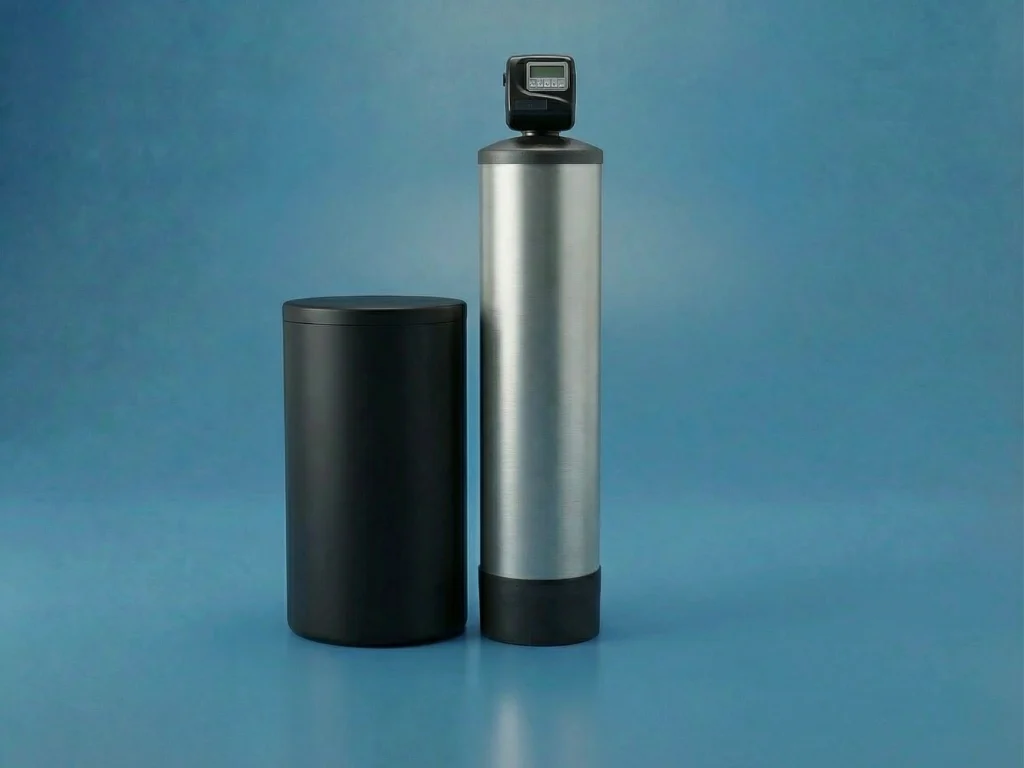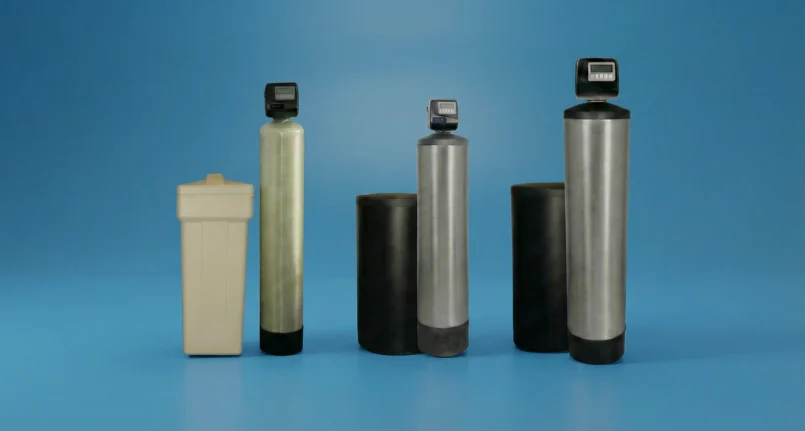


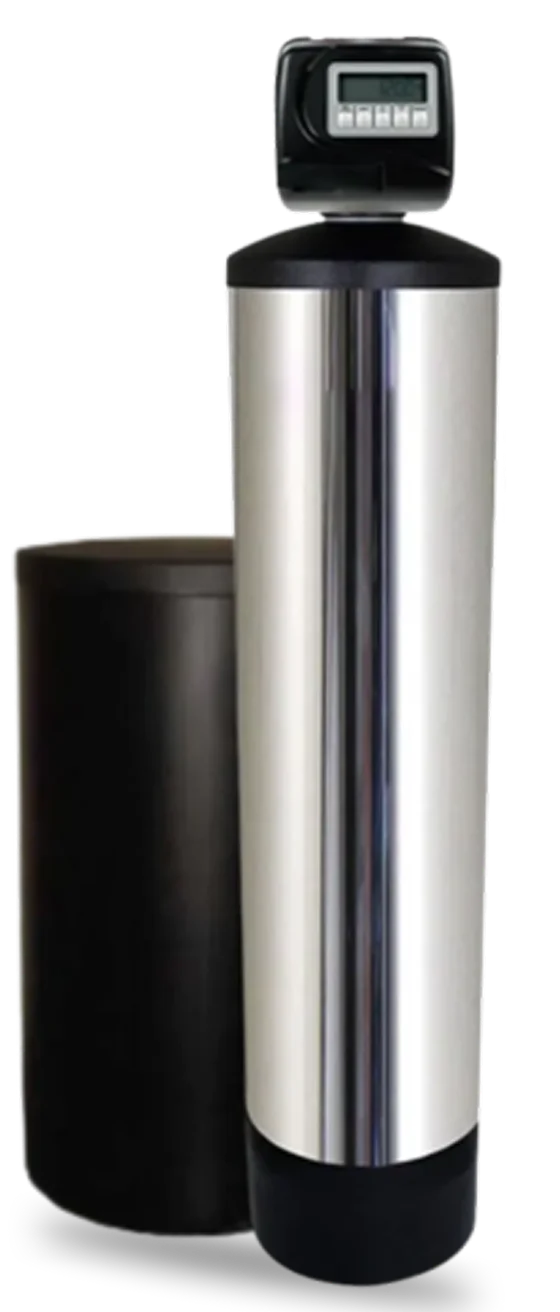
Ion exchange systems are the most common type of water softener used in homes. They remove hardness minerals by replacing them with sodium or potassium, delivering consistently soft water throughout the house.
Dual tank systems use two resin tanks to provide continuous soft water. While one tank regenerates, the other remains active, making them ideal for larger households with higher daily water usage.
Salt-free systems reduce scale buildup without removing minerals from the water. These systems are often chosen by homeowners looking to limit mineral buildup while maintaining the natural mineral content of water.
Water testing measures hardness and mineral levels to confirm whether a softener is needed. Results help determine the appropriate system size and type.
Regeneration cycles are programmed, pressure is checked, and performance is verified. Homeowners receive guidance on basic system use.
Based on water quality, household size, and usage, the right water softener is recommended. Clear pricing is provided before installation.
Support continues after installation. Maintenance and service help ensure consistent soft water performance over time.
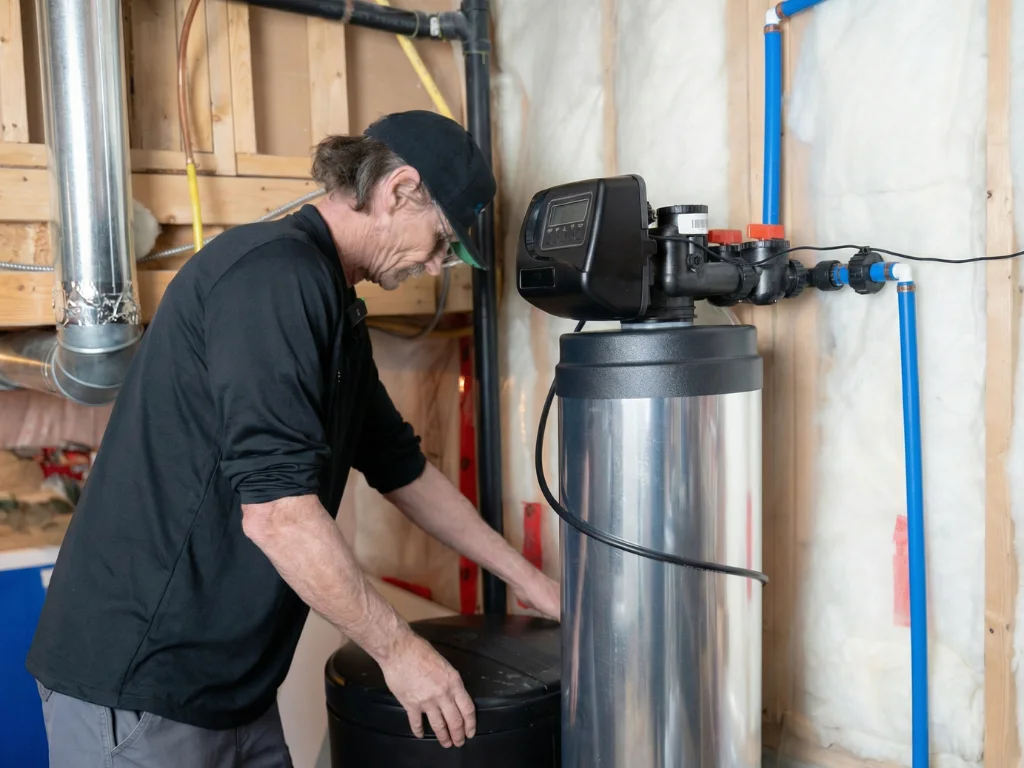
The system is installed at the main water line with proper plumbing connections. Installation is completed safely and efficiently.

Water testing measures hardness and mineral levels to confirm whether a softener is needed. Results help determine the appropriate system size and type.
Based on water quality, household size, and usage, the right water softener is recommended. Clear pricing is provided before installation.
The system is installed at the main water line with proper plumbing connections. Installation is completed safely and efficiently.

Regeneration cycles are programmed, pressure is checked, and performance is verified. Homeowners receive guidance on basic system use.
Support continues after installation. Maintenance and service help ensure consistent soft water performance over time.
Ion exchange systems are the most common type of water softener used in homes. They remove hardness minerals by replacing them with sodium or potassium, delivering consistently soft water throughout the house.
Dual tank systems use two resin tanks to provide continuous soft water. While one tank regenerates, the other remains active, making them ideal for larger households with higher daily water usage.
Salt-free systems reduce scale buildup without removing minerals from the water. These systems are often chosen by homeowners looking to limit mineral buildup while maintaining the natural mineral content of water.
Dual tank systems use two resin tanks to provide continuous soft water. While one tank regenerates, the other remains active, making them ideal for larger households with higher daily water usage.
Ion exchange systems are the most common type of water softener used in homes. They remove hardness minerals by replacing them with sodium or potassium, delivering consistently soft water throughout the house.
Salt-free systems reduce scale buildup without removing minerals from the water. These systems are often chosen by homeowners looking to limit mineral buildup while maintaining the natural mineral content of water.
Professional installation ensures that the water softener is connected correctly to the main water line. Proper setup helps deliver soft water throughout the entire home from day one.
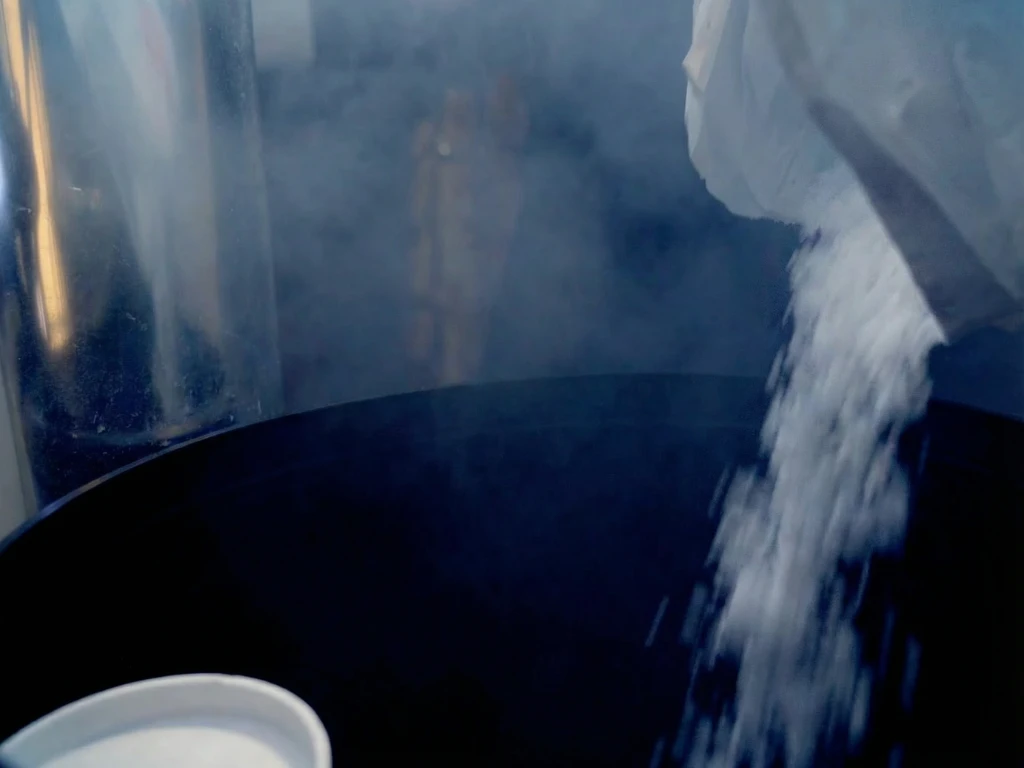
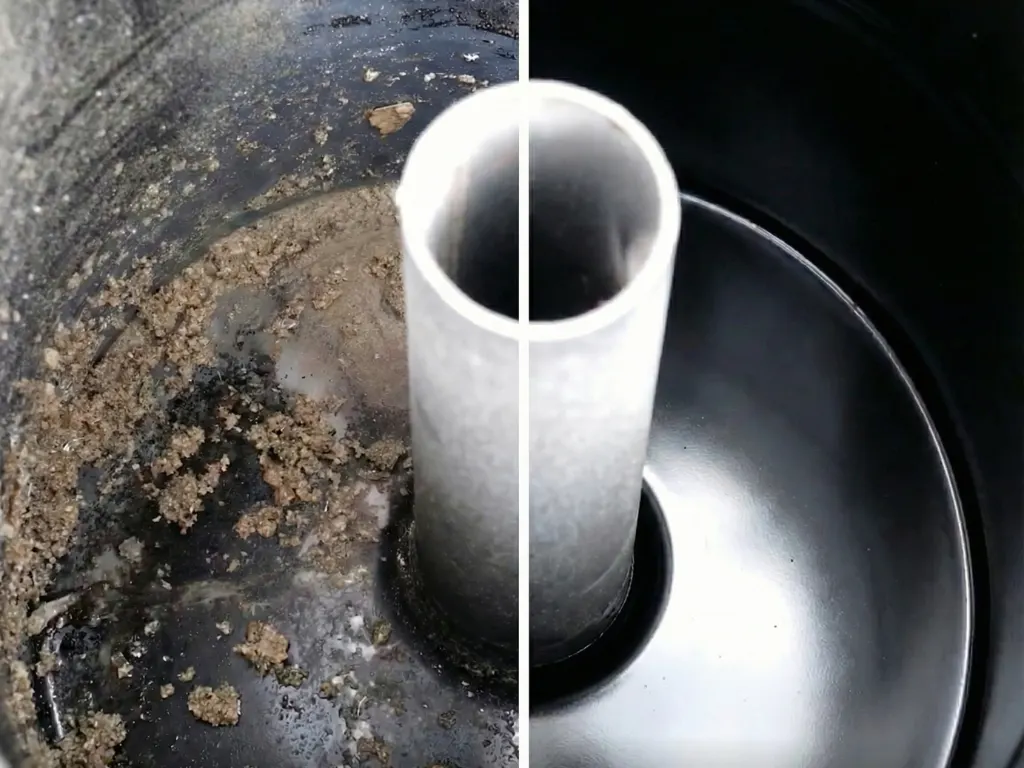
Ongoing service helps keep the system operating efficiently. Maintenance addresses salt levels, system performance, and any issues that may affect water quality.
Buying a water softener provides full ownership and long-term value. Homeowners avoid ongoing rental fees while benefiting from consistent water quality.
Protects Plumbing and Appliances
Improves Water Feel and Cleaning
Reduces Soap and Detergent Use
Accurate system selection based on real water conditions
Fast setup with minimal disruption
Trained installers with hands-on system experience
Designed for long-term performance
Ongoing help when service is needed


Verified Customer
Verified Customer
Verified Customer
Verified Customer

Maria T.,Simcoe

Omar R., Ancaster

Priya S.,Dundas
Water quality is often described as hard water or soft water, based on the amount of natural minerals it contains. These differences can affect daily comfort, cleaning results, and how well household systems perform.
Overall, soft water is generally better for everyday household use because it improves comfort, cleaning efficiency, and long-term system performance.
You may need a water softener if your household water shows ongoing signs of hardness. Common indicators include:
The most reliable way to confirm hard water is through a water hardness test, which measures mineral levels. Testing helps determine whether a water softener would improve daily comfort, protect plumbing, and support better appliance performance.
Always available when you need us
Serving local communities
Google and HomeStars Reviews